Seasons in the gardens
Showstoppers in every season.
The garden is worth a visit at any time of year – although we’re closed in December and January. From the bluebells of springtime to the evergreens of winter, there’s always something to delight your eye.
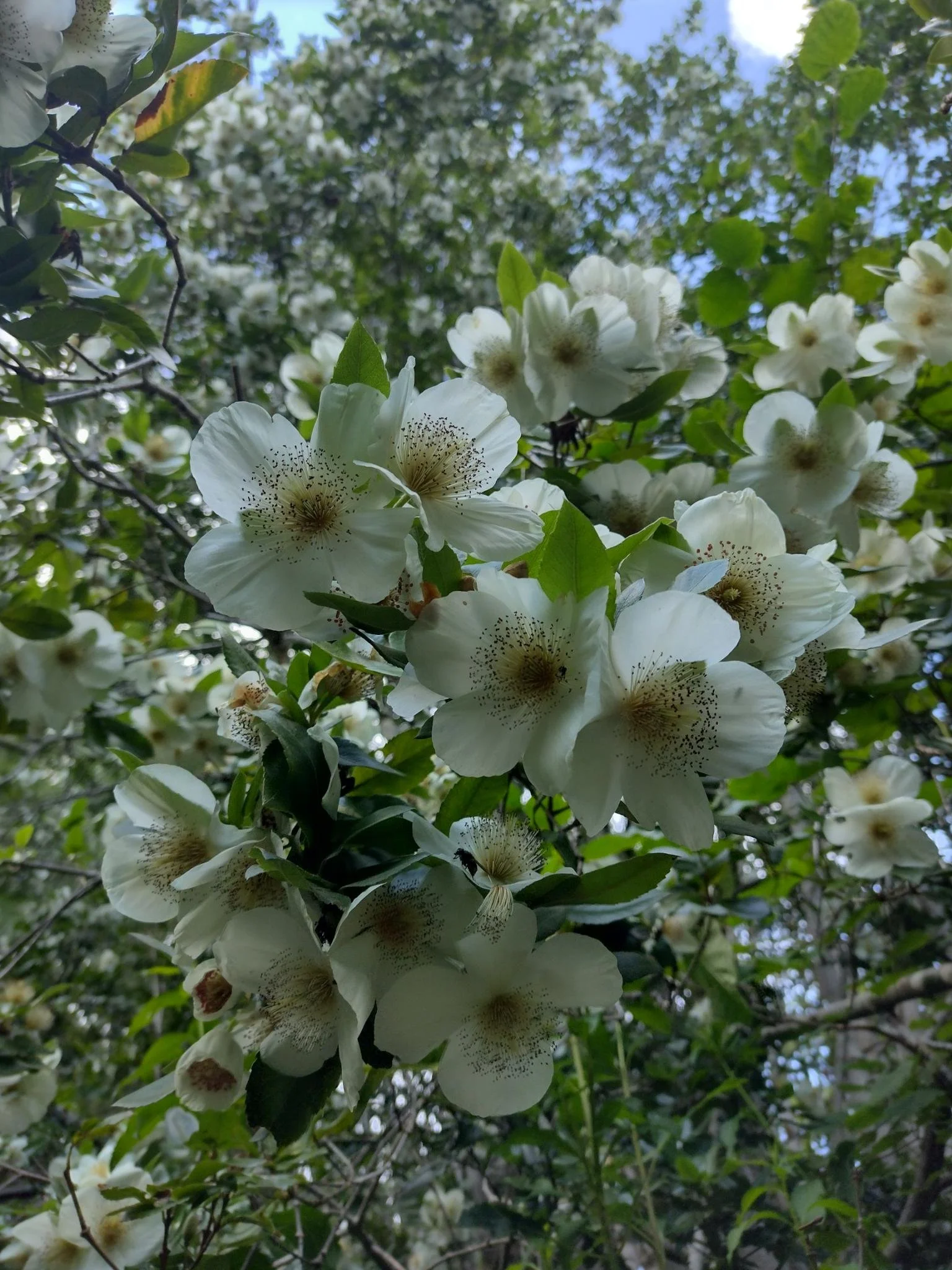
September garden star Eucryphia or leatherwood
Eucryphia blooms in our garden at the start of September. There are four varieties planted around the place, and if you walk up the main steps into the woodland and keep going past the patio you’ll see hundreds of petals of Eucryphia Nymamsensis laying on the path. Look up to see the tree laden with thousands of blossoms, towering 40 feet high. It’s an excellent pollinator - bees and butterflies love it, and on a sunny day it hums.
An Australian native, leatherwood is a slow growing hardwood, with dense, strong wood prized for furniture. It has a leathery feel, especially when freshly cut. The honey is prized for its strong musky taste.
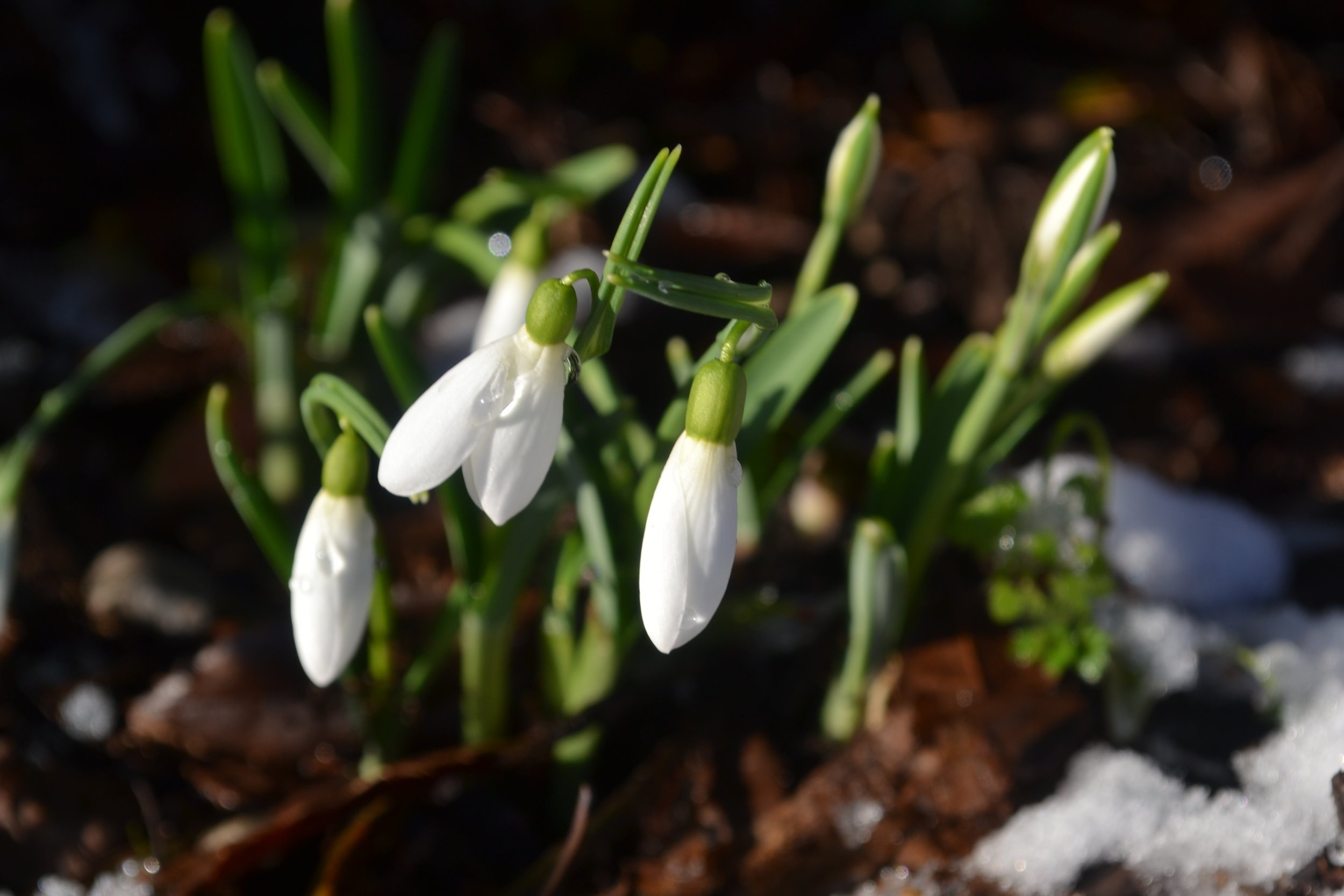
Spring
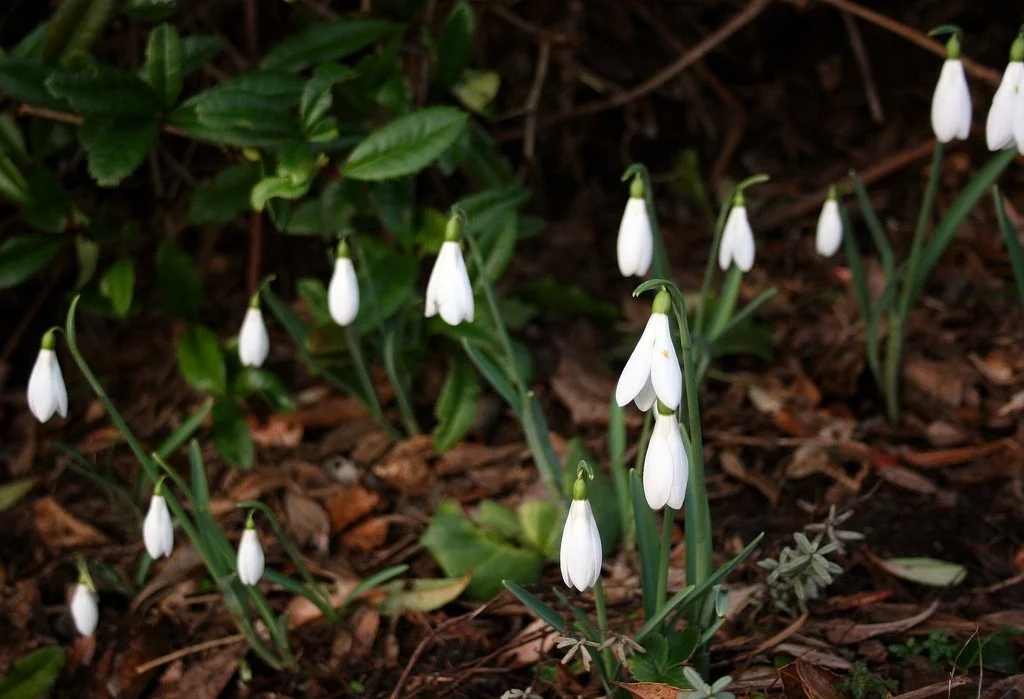
The garden’s magical in springtime. Snowdrops peak in February. Then we’ve a fantastic show of narcissus, daffodils, and muscari in the woodland and the old graveyard.
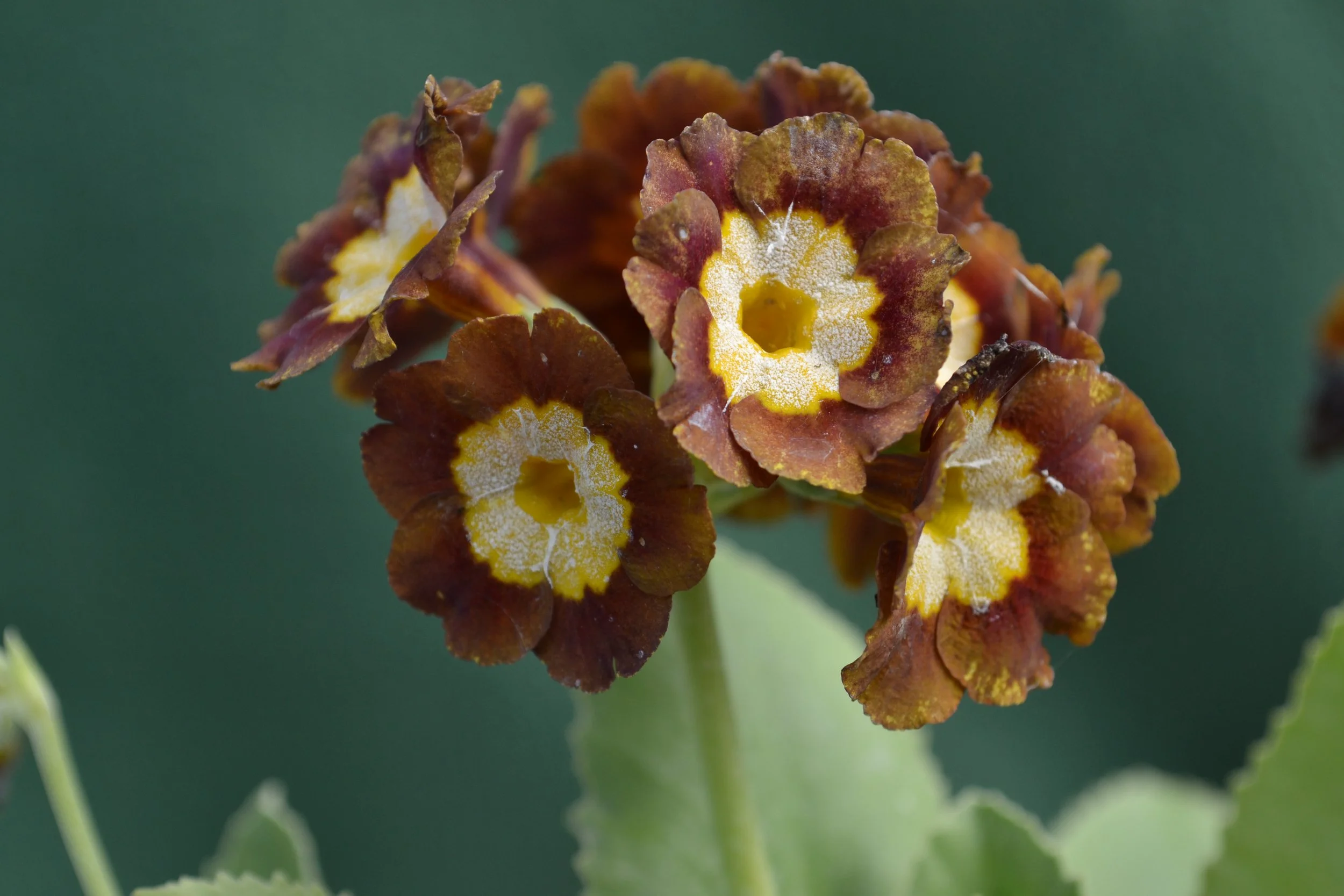
Next, the woodland plants take over. Primroses start flowering in March and April, along with the white stars of the native anemone nemorosa, accompanied by our collection of blue and lavender cultivars. Bluebells carpet between the trees with a blue haze in April and May.
Early spring shrubs start with the flowering currents, flowering quince, cornus mas, and forsythias. Then the early rhododendrons and azalea start and run from April until June, filling the hazel woodland with colour and scent.
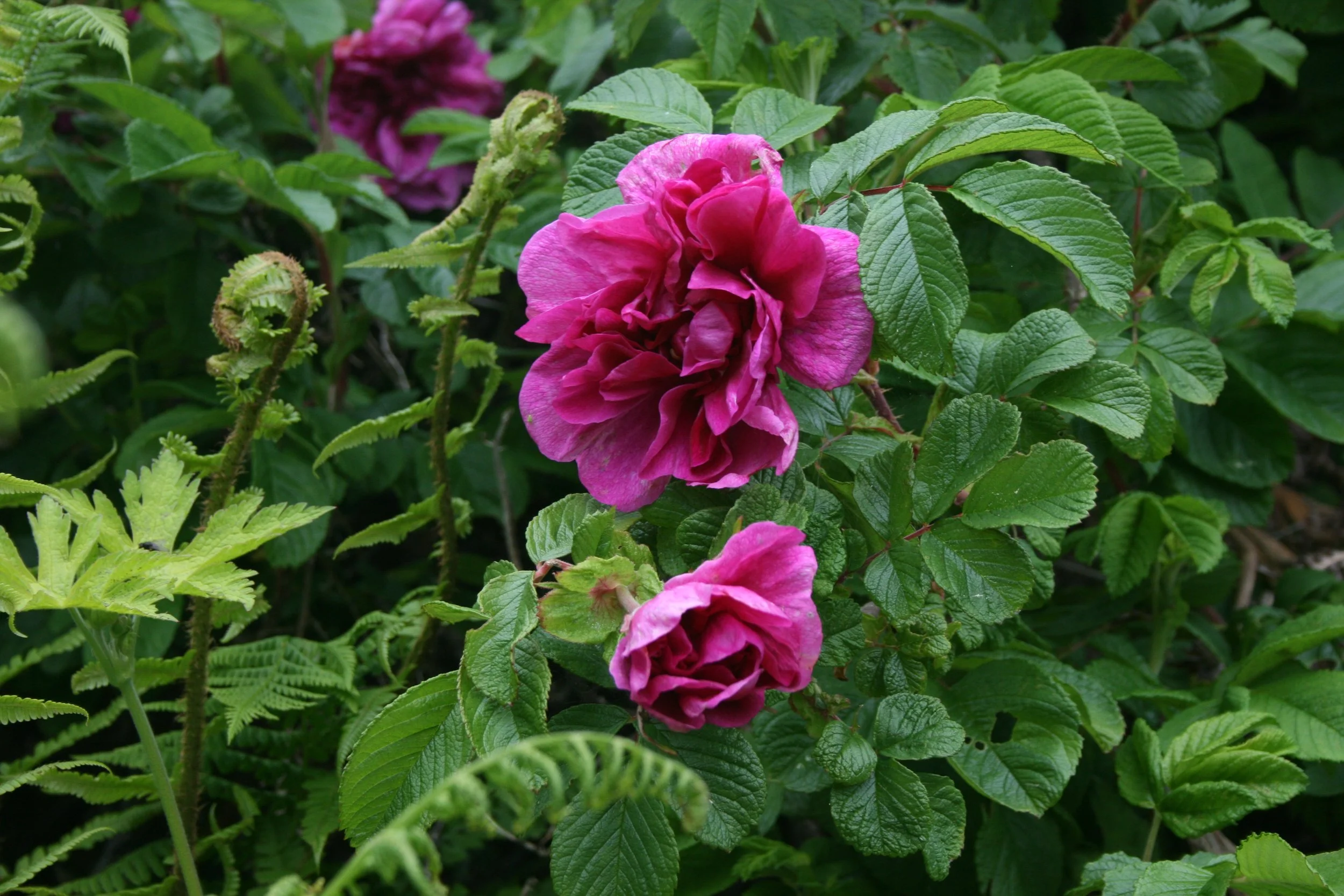
Summer
We love old roses. The Jacobite Rose is a stalwart, while Rambling Rector, Paul’s Himalayan Musk, The Garland, Wedding Day, and Kiftsgate hang in great swags from the hazels in June and July.
Walking through bush in New Zealand Margaret saw native clematis glowing white in the forest shade. She’s planted clematis in woodland ever since. Clematis montana and paniculata fill the air with the scent of honey, before honeysuckle takes over in midsummer.
Under the oaks, blue poppies and candelabra primroses are succeeded by cardiocrinums – the giant Himalayan lilies that grow over six feet tall. Hosta’s handsome, sculptural leaves love the woodland shade.
Sun loving rock roses or helianthemums thrive in our sandy, sunny beds. We grow loads of annuals because we love seasonal colour. Come in summer for a blaze of cosmos, poppies, cornflowers, nicotiana, calendula, and antirrhinums. There are enough to cut posies for the local markets.
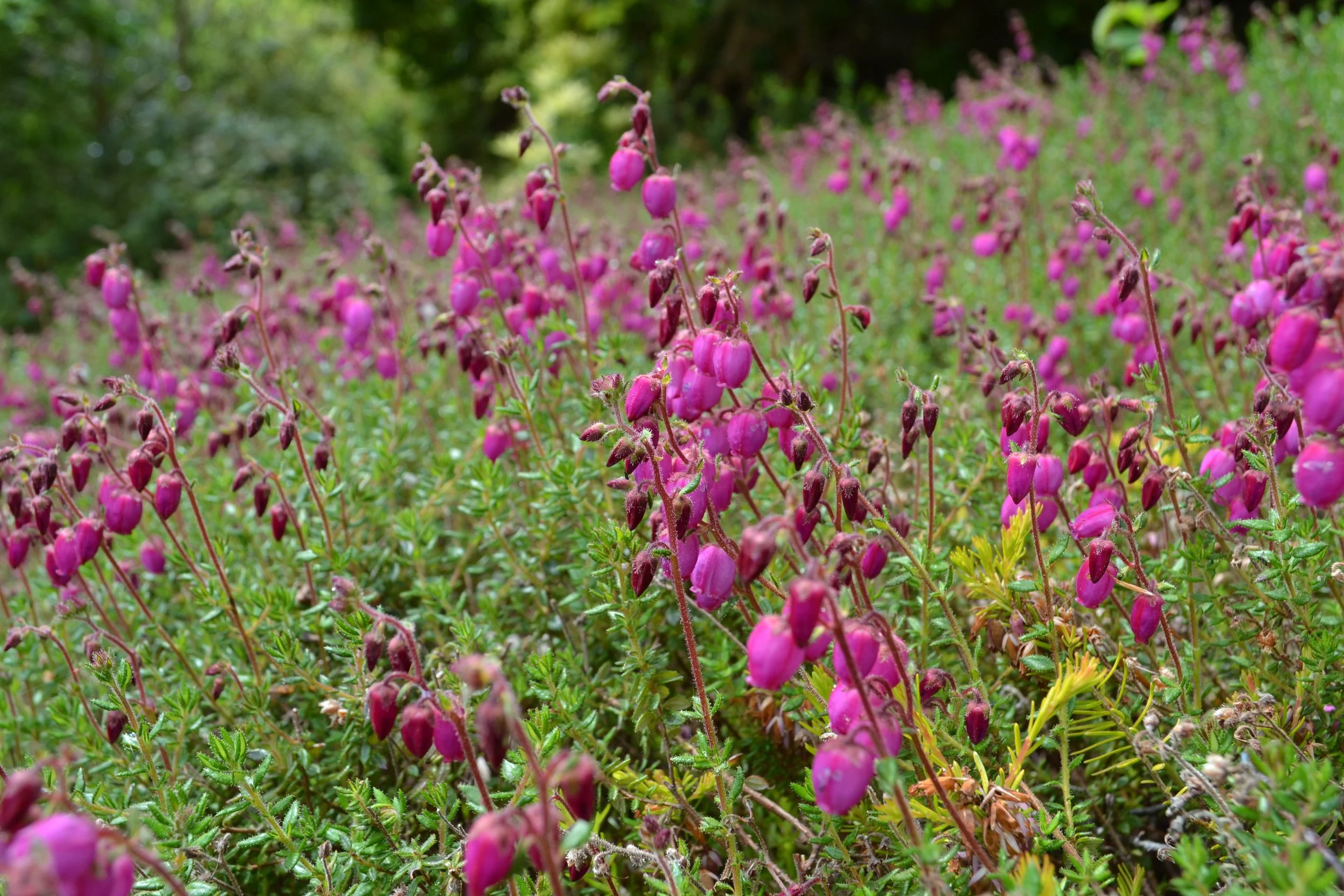
Autumn
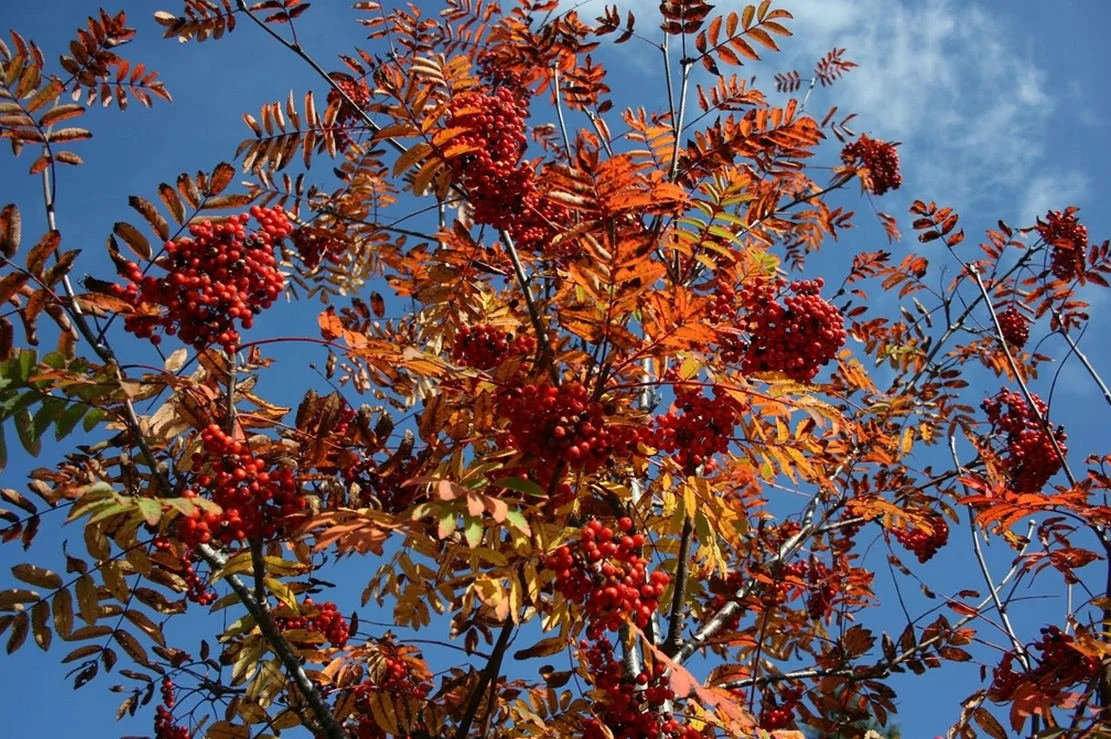
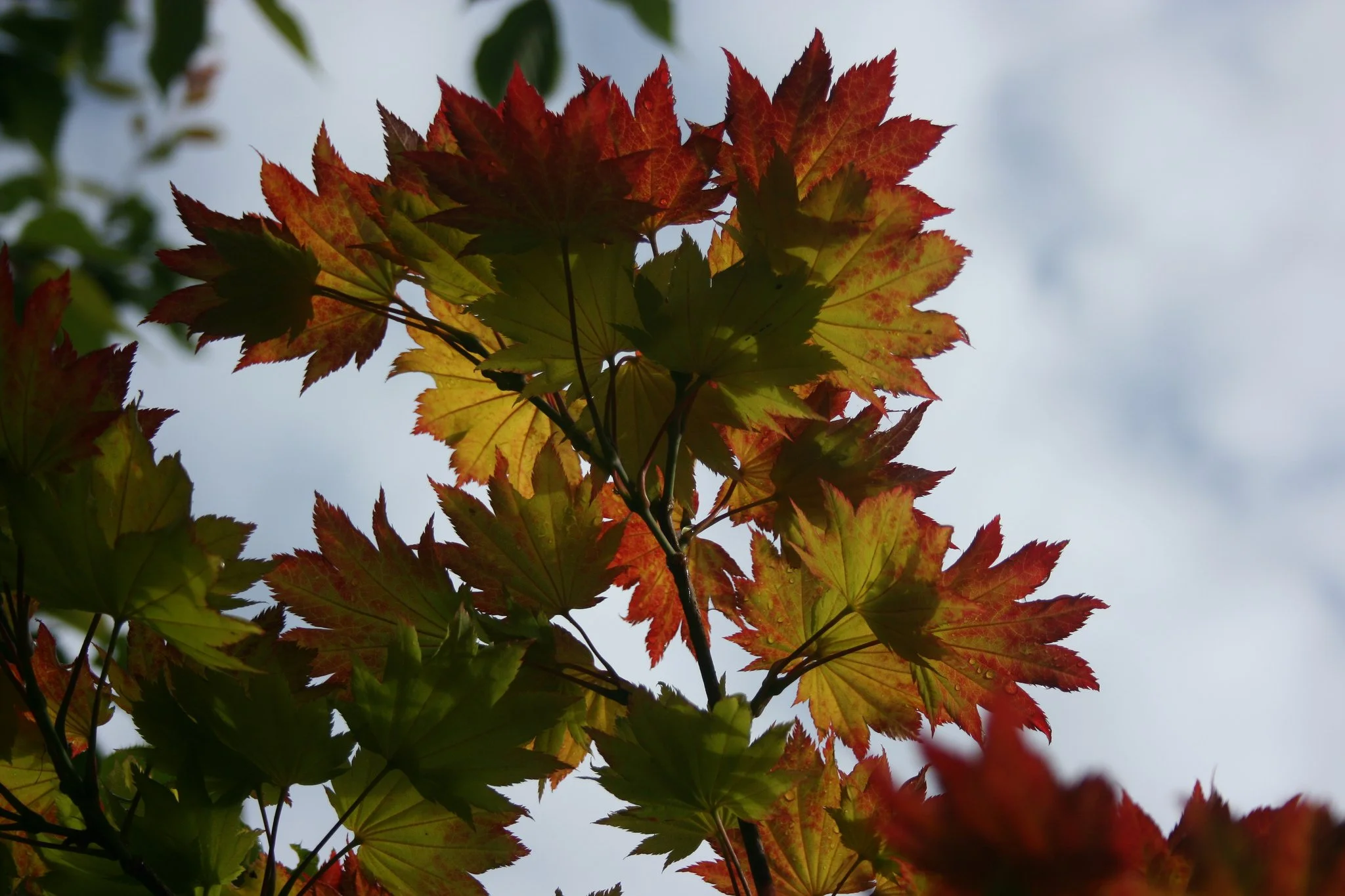
In August, the heather purples the hills, blaeberries and rowans ripen, and the hazelnuts plump before autumn brings a glory of golden leaves.
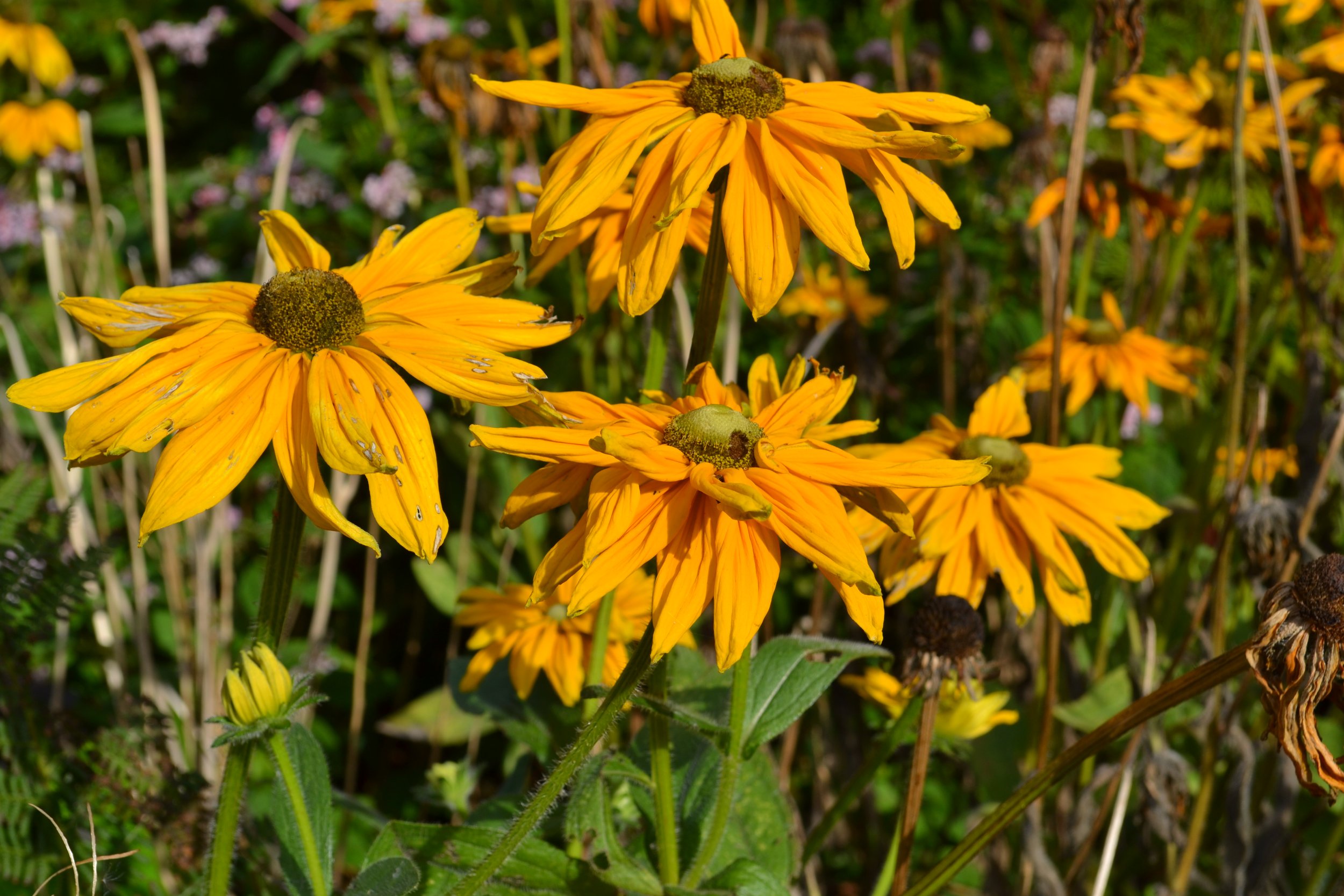
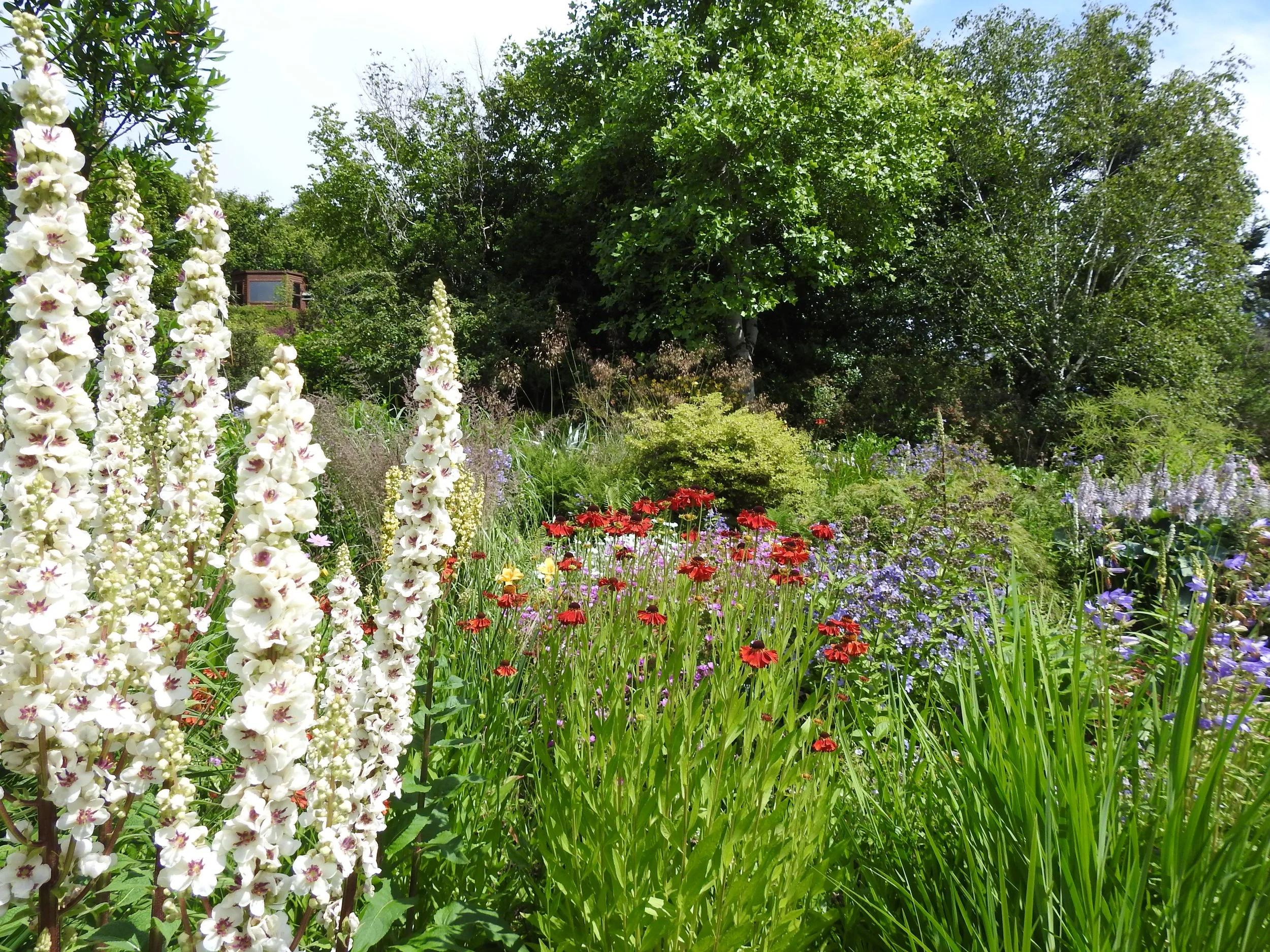
The borders are full of asters, Michaelmas daisies, blue and white aconitum, and Japanese anemones. Nerine, colchicums and schizostylis provide vivid colour. Rudbeckia, teazel, and kniphofia give form and interest
Ornamental grasses are at their peak. We grow handsome perennial grasses such as stipa, calamagrostis, miscanthus, and foxtail barley, and annuals like hare’s tails.
Winter
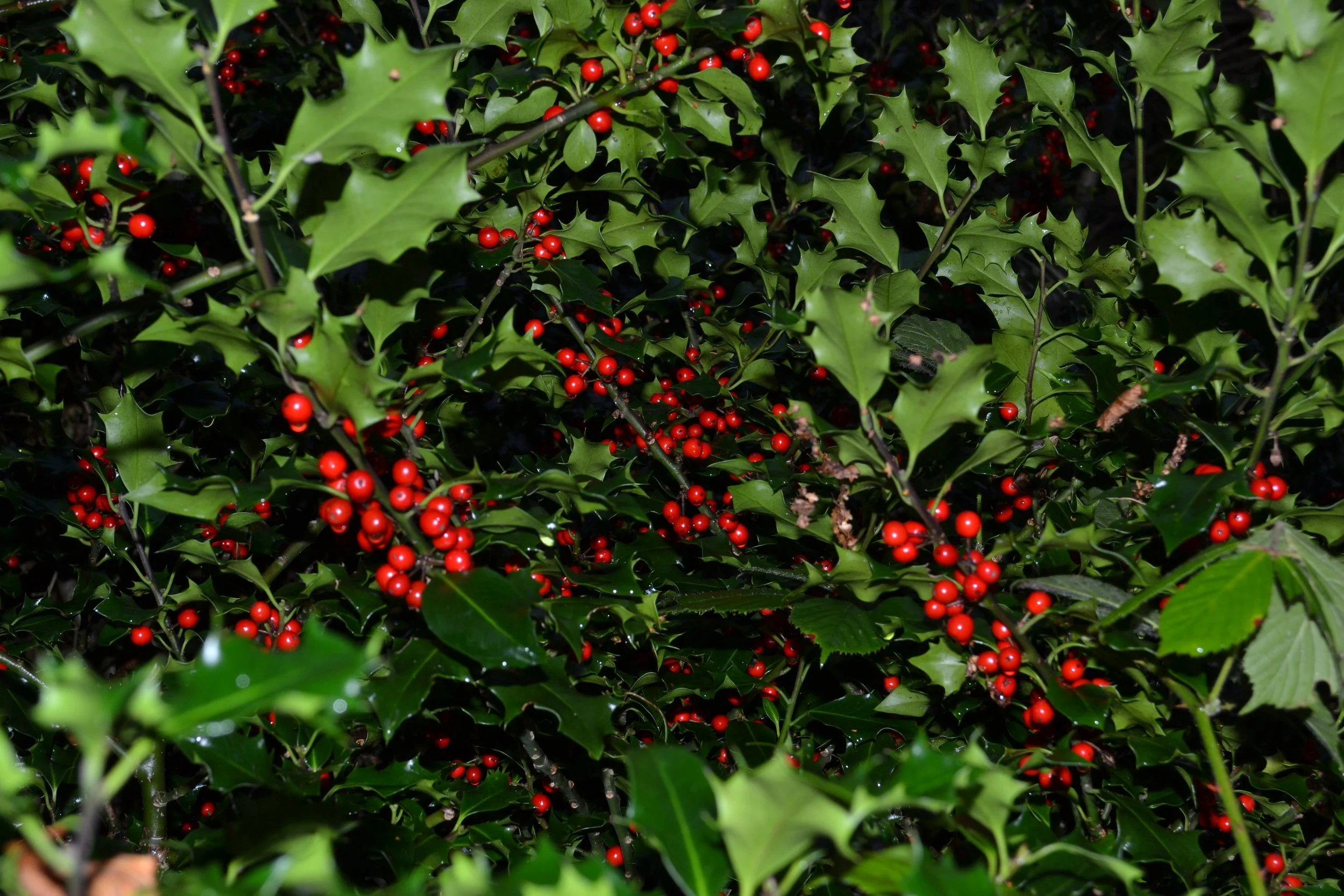
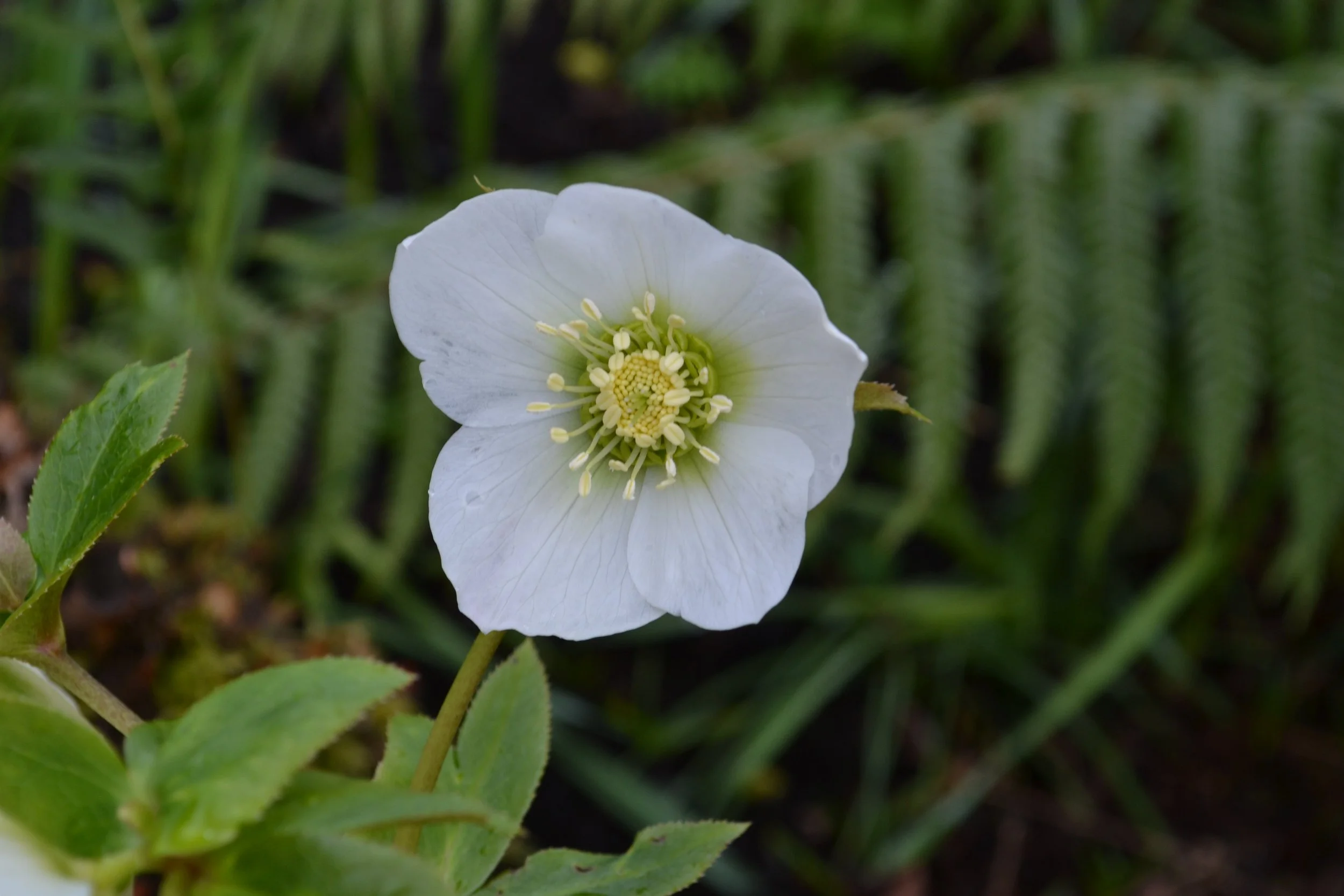
Evergreen hollies begin to dominate the woodland, and the drystone walls, the architectural bones of the garden, come into their own as the froth of the summer borders die back.
One frosty morning we wake up and the gardens all a flutter because the winged Vikings have arrived. Migrating fieldfare and redpolls stop on their way south to clear the rowans and the hollies of their berries.
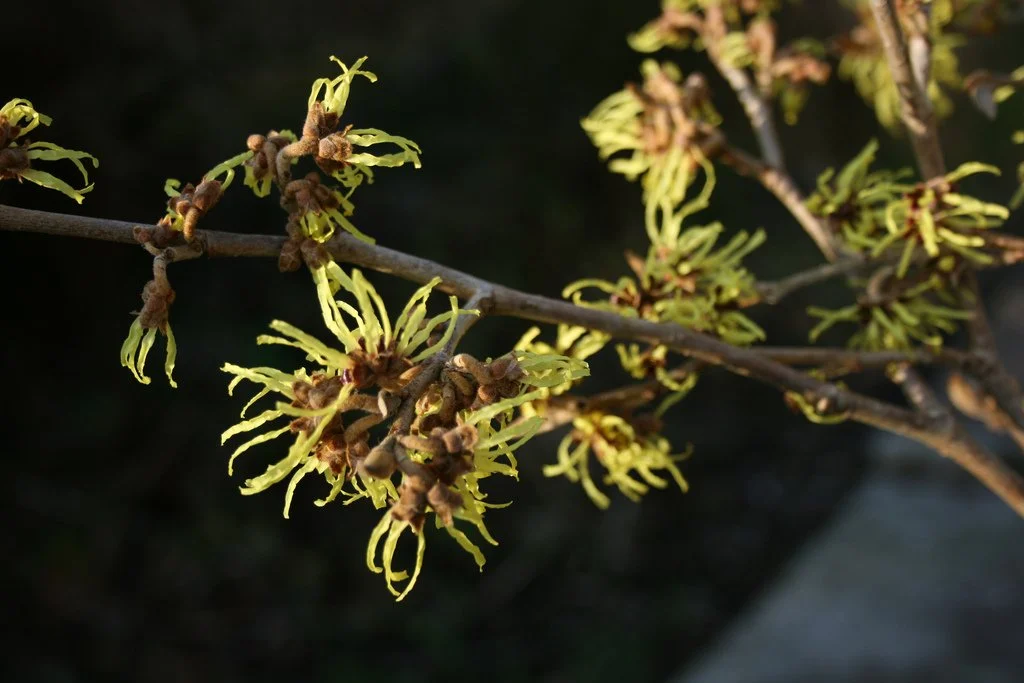
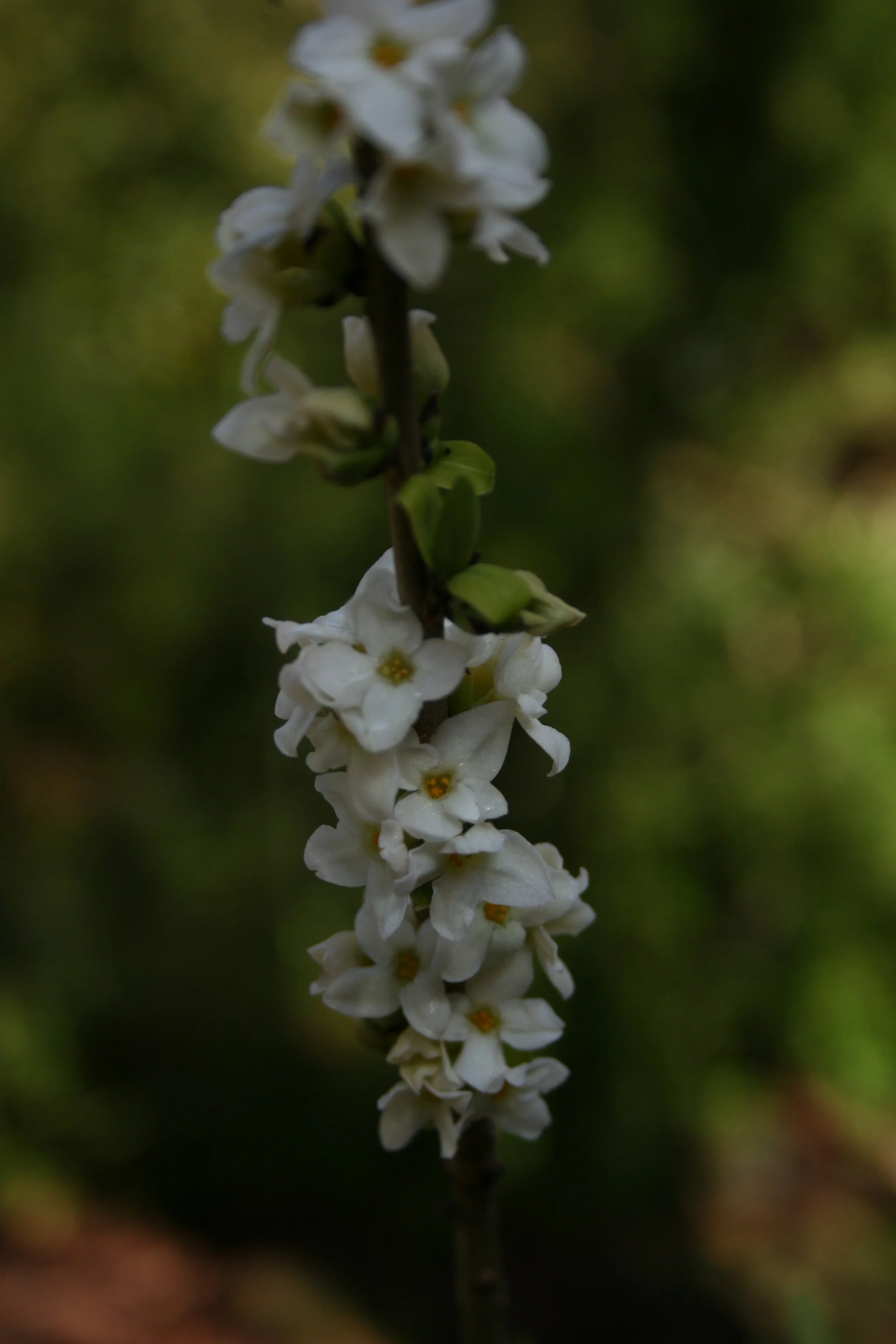
Hamish becomes a one-man wreathmaking machine for the Christmas markets, while we pot up bulbs with moss from the woodland, rotating where we gather so it has a chance to regrow. After Christmas Daphne Bholua and Jacqueline Postill fill the woodland with their extraordinary scent.
“Even on a dreich day you can still enjoy a visit to this garden. The owners passion for plants and gardening is shining through.”
— November 2019
Seasonal snippets