Making leaf mould & a recipe for potting compost
Leaf mould is a lovely old fashioned term and brings to mind old estate gardens and poorly paid, overworked garden boys. It often appeared as a magic ingredient alongside weathered soot and wood ash and ground up toenails!
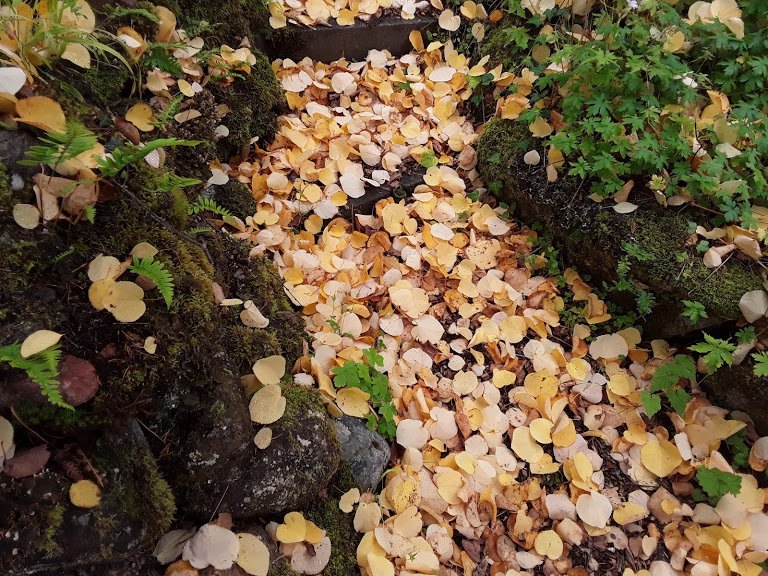
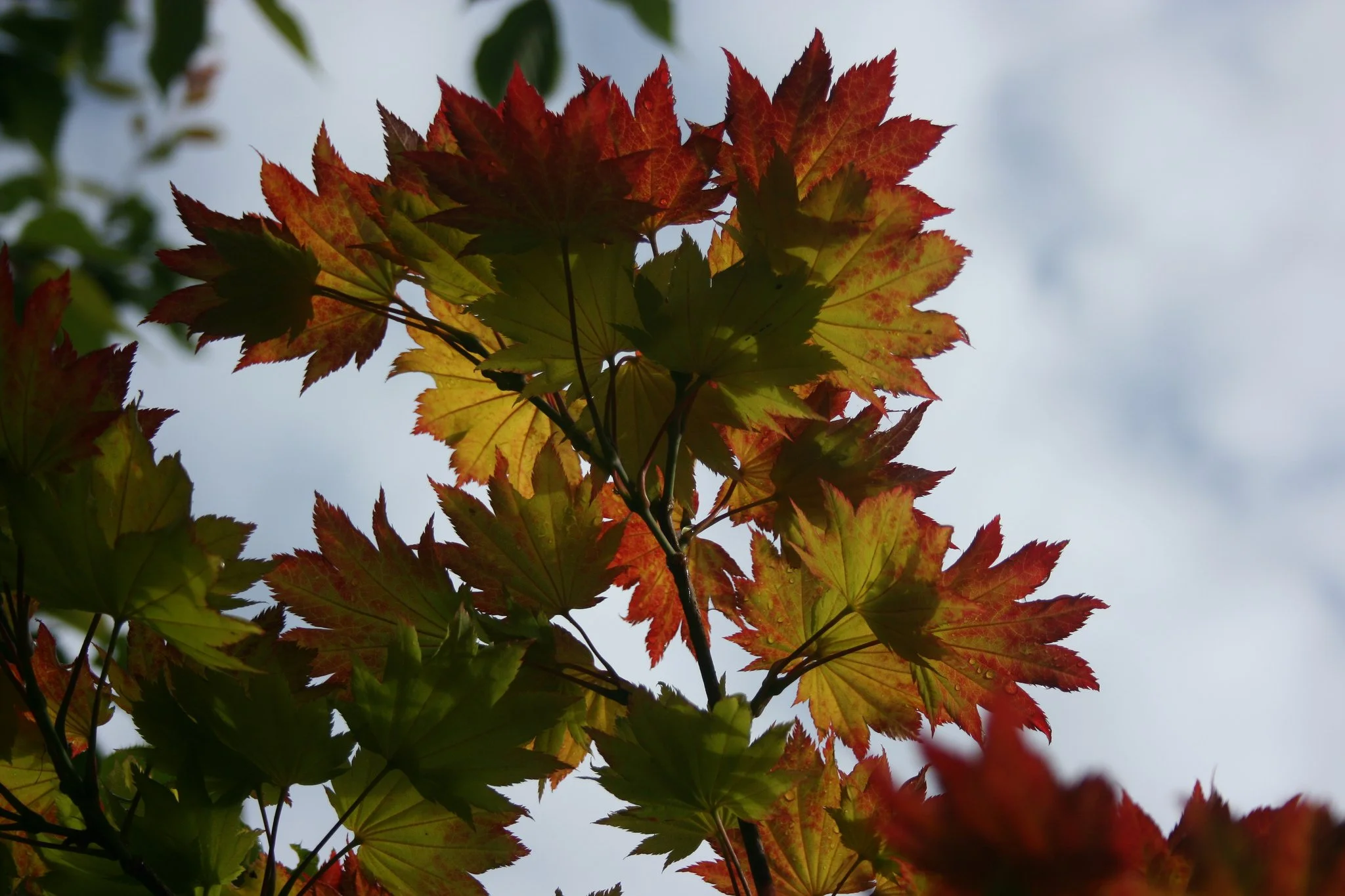
But for us it is a natural plentiful resource. The native trees that shed their leaves for us are Hazel, Birch, and Oak, and of course we are a garden and we also have lots of Maples, Cercidiphyllum , Chestnut, and Larch.
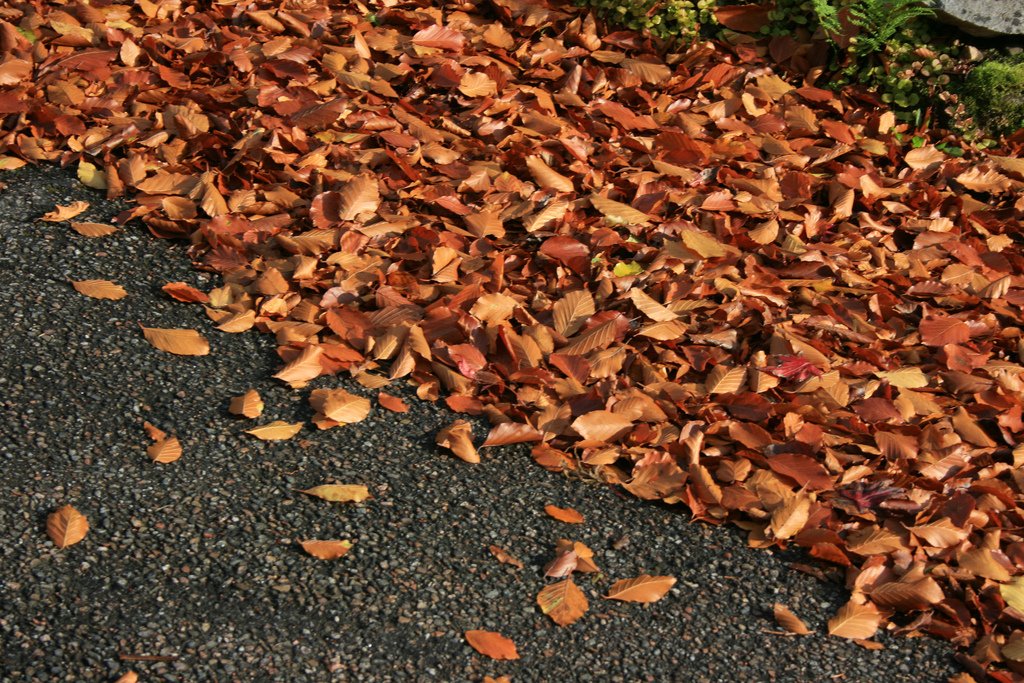
As a result, leaf mould is a vital ingredient in our potting composts. Over the years we have steadily reduced the amount of peat in our mixes and leaf mould is really useful.
The leaves fall onto beds and along the paths. This make for easy pickings and any dry day from late October onwards, there is often someone out there, with a bucket, a rake and a collection old compost bags. The leaves are poured out into compost bins constructed from wooden pallets and when we have a bumper year, we make wire netting cages to take them all.
There they sit for two years, slowly mouldering. Each leaf has its own characteristics. Oak is tough and takes two years to rot down. Hazel is much softer and takes a year to 18 months. Inevitably there is the odd holly leaf in the mould. They are a pain, literally. They are always a surprise and take forever to rot so they retain all of their prickles. Again, natures wee joke.
Leaf mould is also a great mulch; in fact it is nature’s mulch in our woodlands. We like to return some to the beds every year.
Here’s our recipe for general purpose potting compost.
Sieved Leaf Mould 1/3rd
John Innes No3 1/3rd
Grit/Gravel 1/6th depending on the plants to use it
Fibrous Compost 1/6th to 1/3rd (You could use peat, but there are now many more sustainable alternatives available)
Happy leaf gathering.