The sweet scent of sweet peas
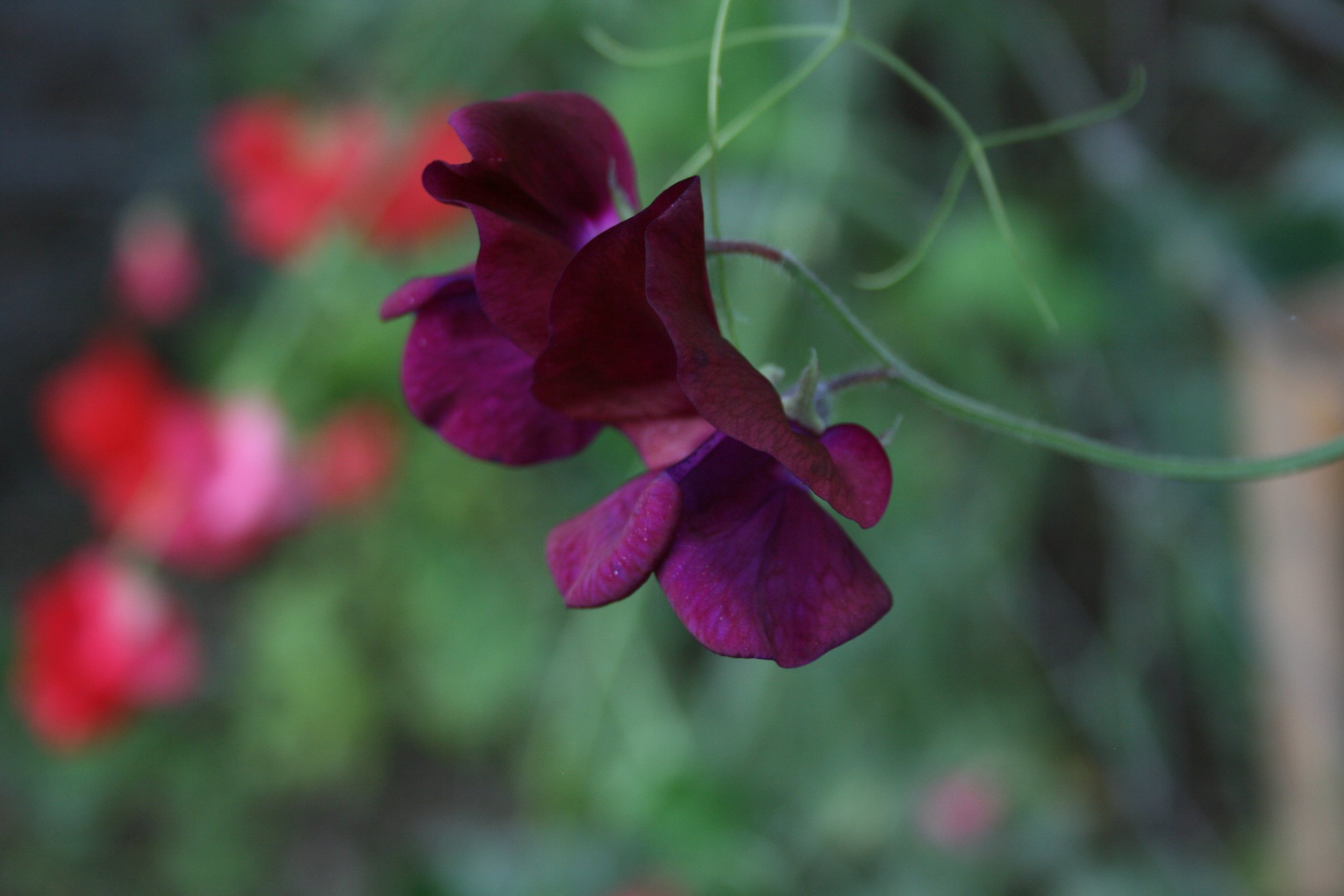
The sweet peas are coming to an end. The stems are getting shorter and there is more than a little late infestation of green fly, but they have been magnificent and as they say “owe us nothing".
I have always loved sweet peas. They have been an annual highlight and the first few blooms are always eagerly awaited and their scent inhaled with a pleasure and nostalgia.
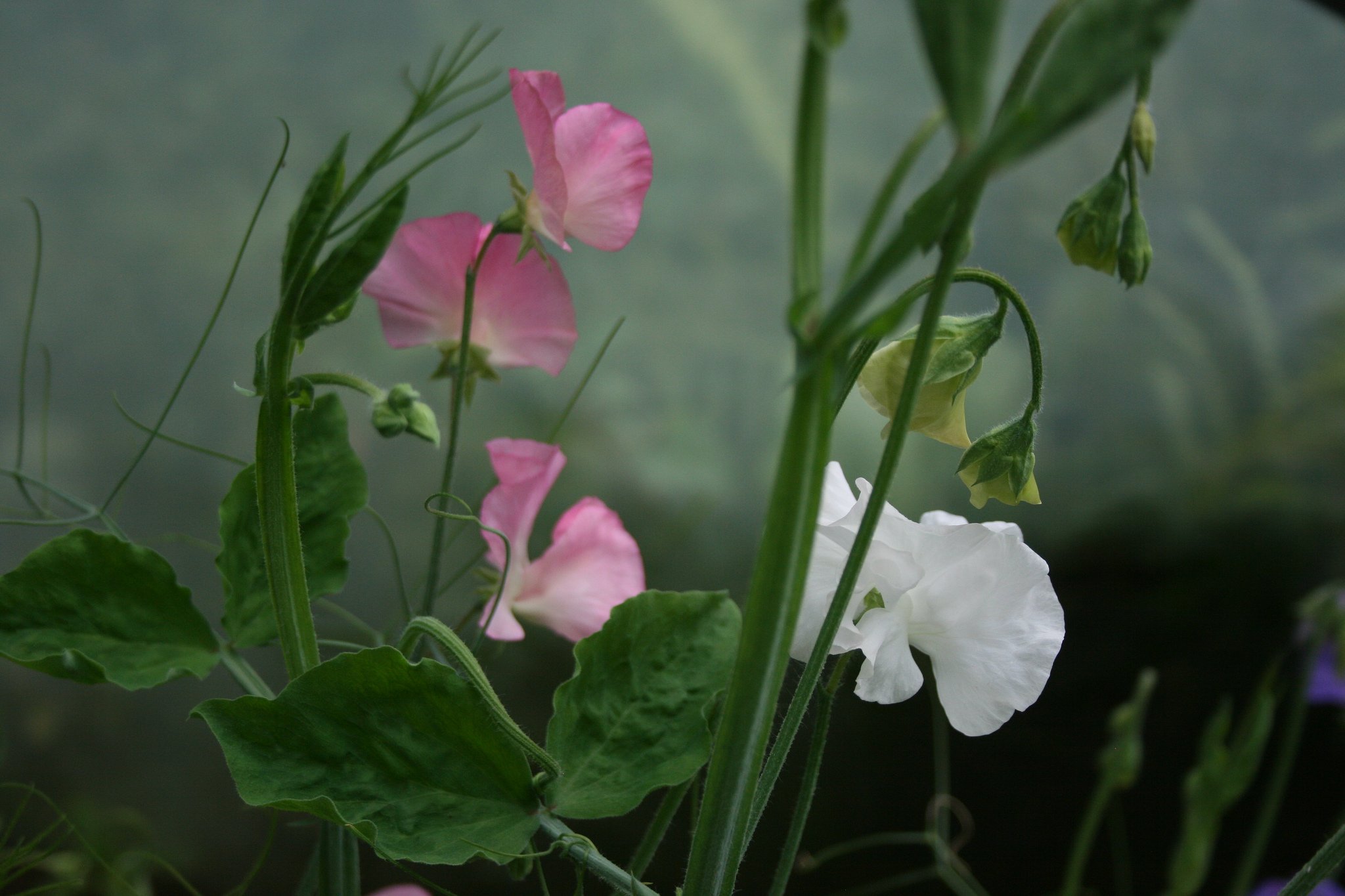
We’re the only nursery I know that sells sweet pea plants in individual sweet pea tubes and in individual colours. For years, we planted the leftovers. By that I mean that after we’d sold thousands of sweet peas, the ones left are those that have lost a label, taken a knock or are an unfashionable colour, and so, in they go, supported by a few hazel branches.
Now we plant a variety bred especially for poly-tunnels and they were planted in an orderly row and wired up. As reported, they have been wonderful. The variety is called Mammoth - not a pretty name. The plants are vigorous, the stems have been long and straight, the flowers have been huge and have kept coming, but the most wonderful thing has been the wonderful, pleasurable fragrance. The scent of these sweet peas meets you at the door and is a rare pleasure as you cut the blooms. In water the flowers last almost a week, a long spell for sweet peas, and we’ve had a big enough crop that we send bunches to market.
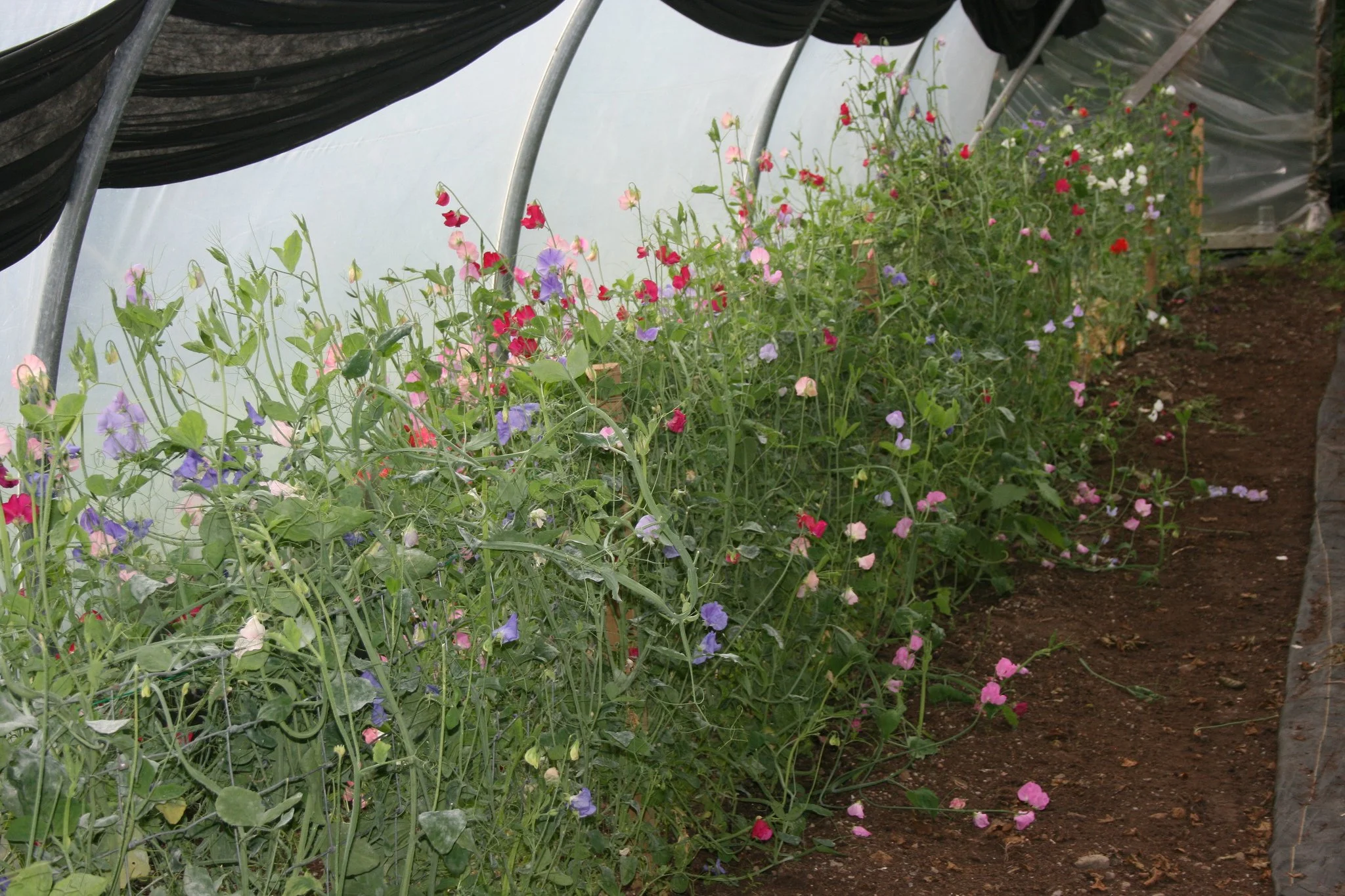
Sweet peas in the poly tunnel
Mammoth is, as I said, especially bred for indoor, poly tunnel cropping. Outdoors we are still recommending the old Spencer varieties as they are the hardiest and have the best colour range that we know. My favourites have to be the lovely white Honeymoon, and the deep crimson Winston Churchill.
In addition to the Spencers we grow Old Spice mixed, smaller flowers, with a heady, almost tropical, spicy scent. We also grow a single old variety called Matucana. This has deep purple and red flushed flowers and the most remarkable scent of all.
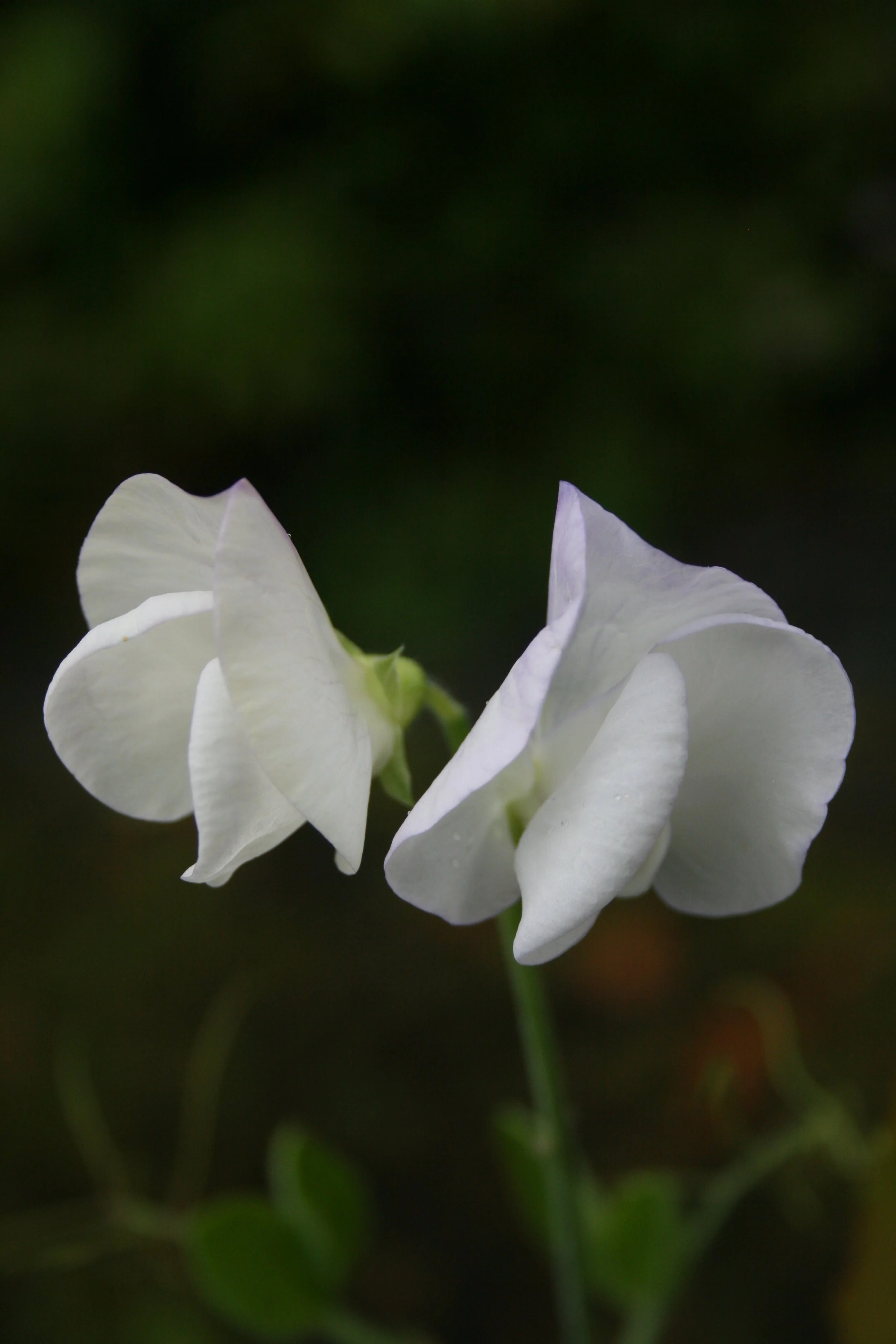
Honeymoon
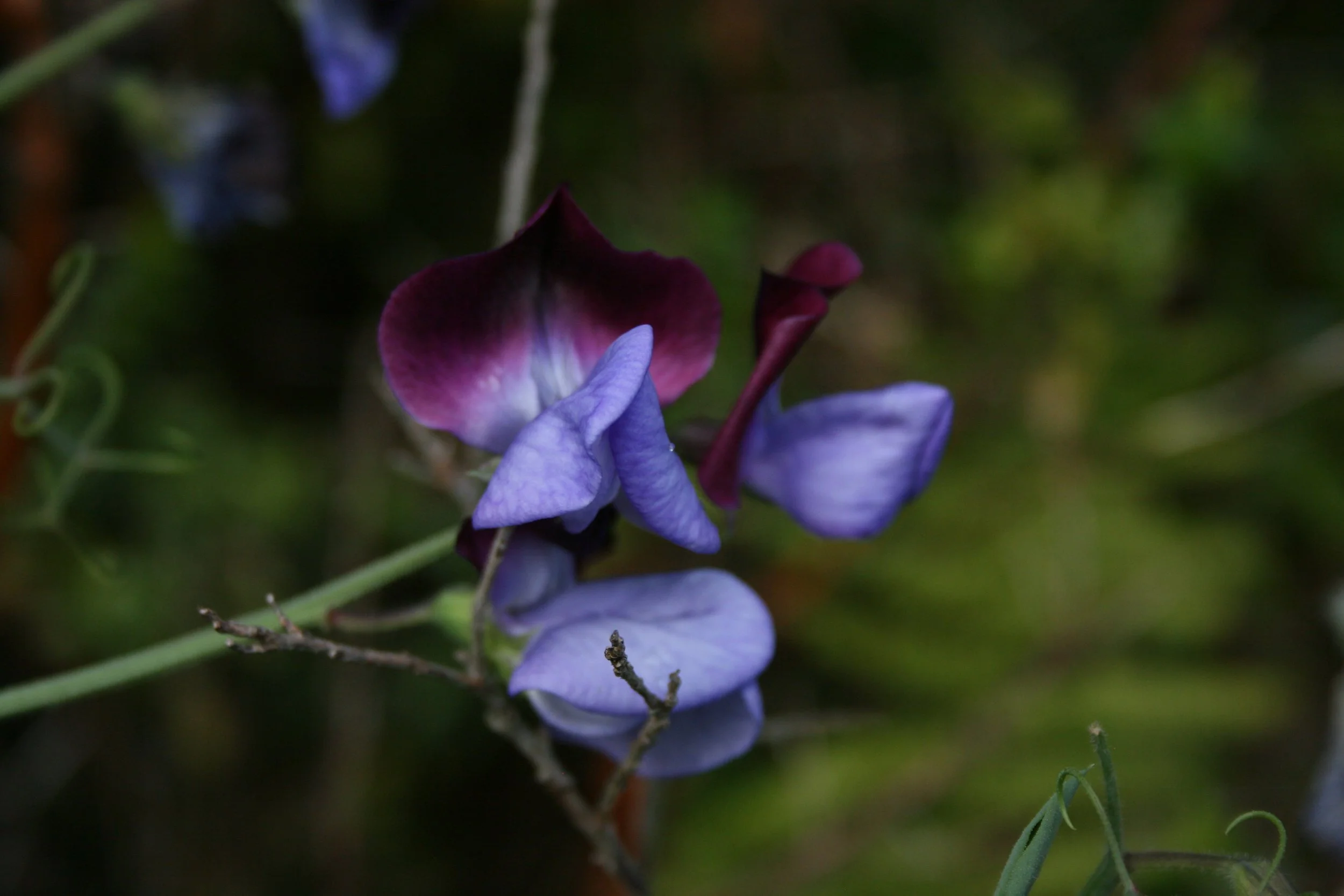
Matucana.
Most folks in the north of the United Kingdom plant their Sweet Pea seed early spring. We often get them in late February/ March ... but you can plant in autumn on the hope of an early start and early flowers. The seedlings are very hardy and do not need cosseting. Always keep your seedlings up and away from mice; they seem to smell them a thousand yards away. Early spring means the day ends with a patrol of many mouse traps.
Sweet peas love a rich soil and if you are organised enough to know where you will be planting them next year, then this an excellent time to dig a trench and fill it with as much homemade compost and animal manure as you can get your hands on. They will love the rich diet and will reward you with months of undiluted pleasure.
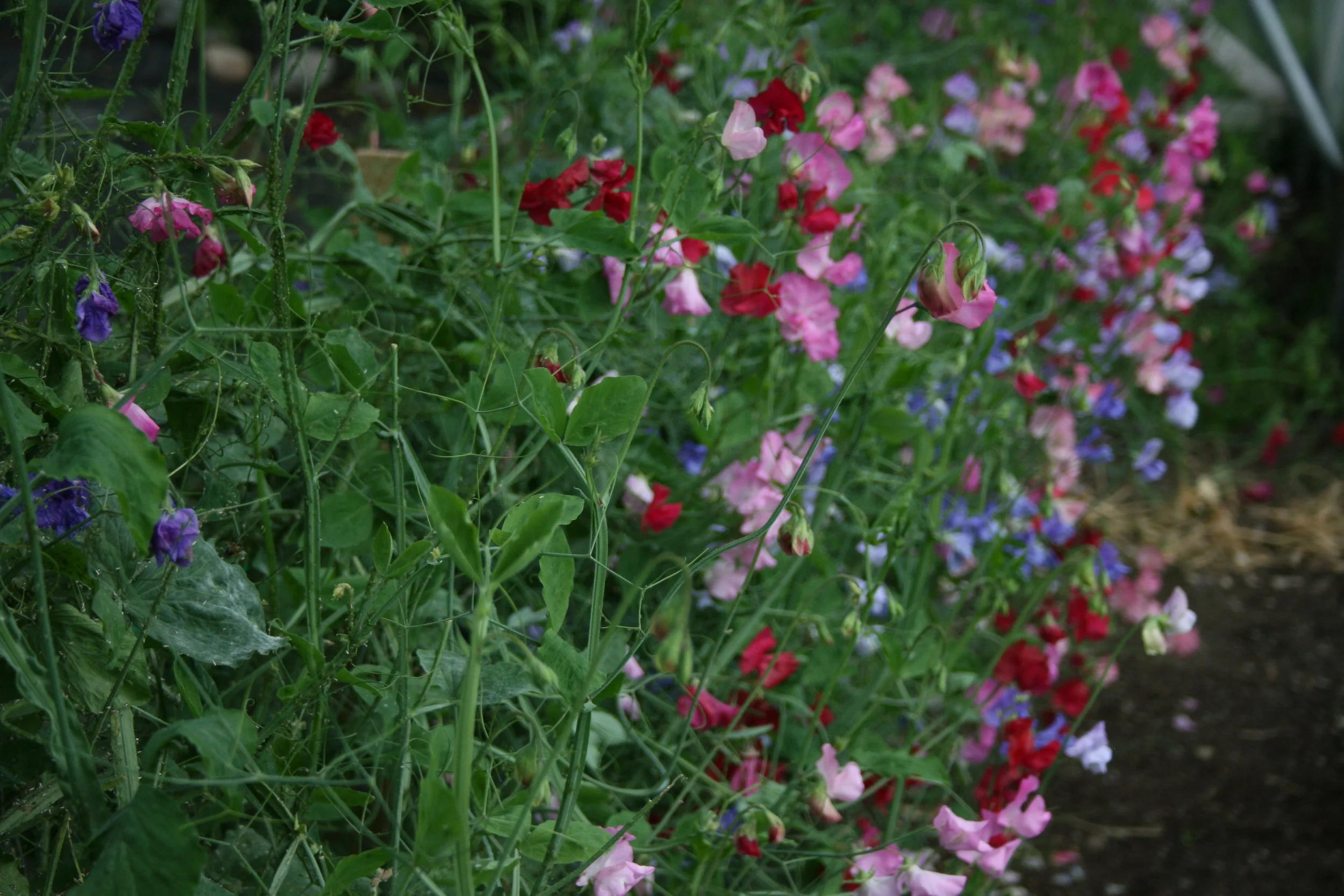
Mammoth mixed
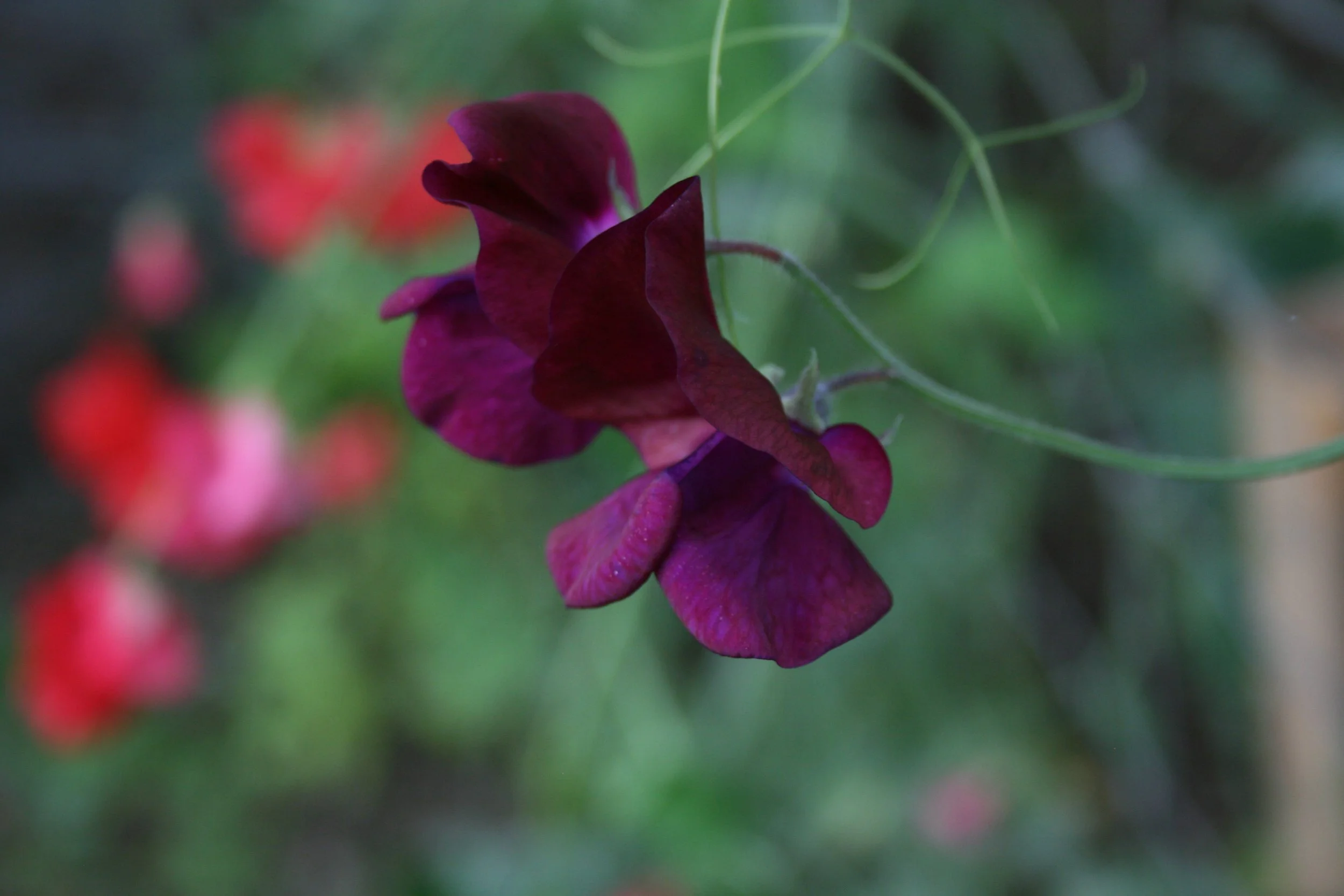
Winston Churchill
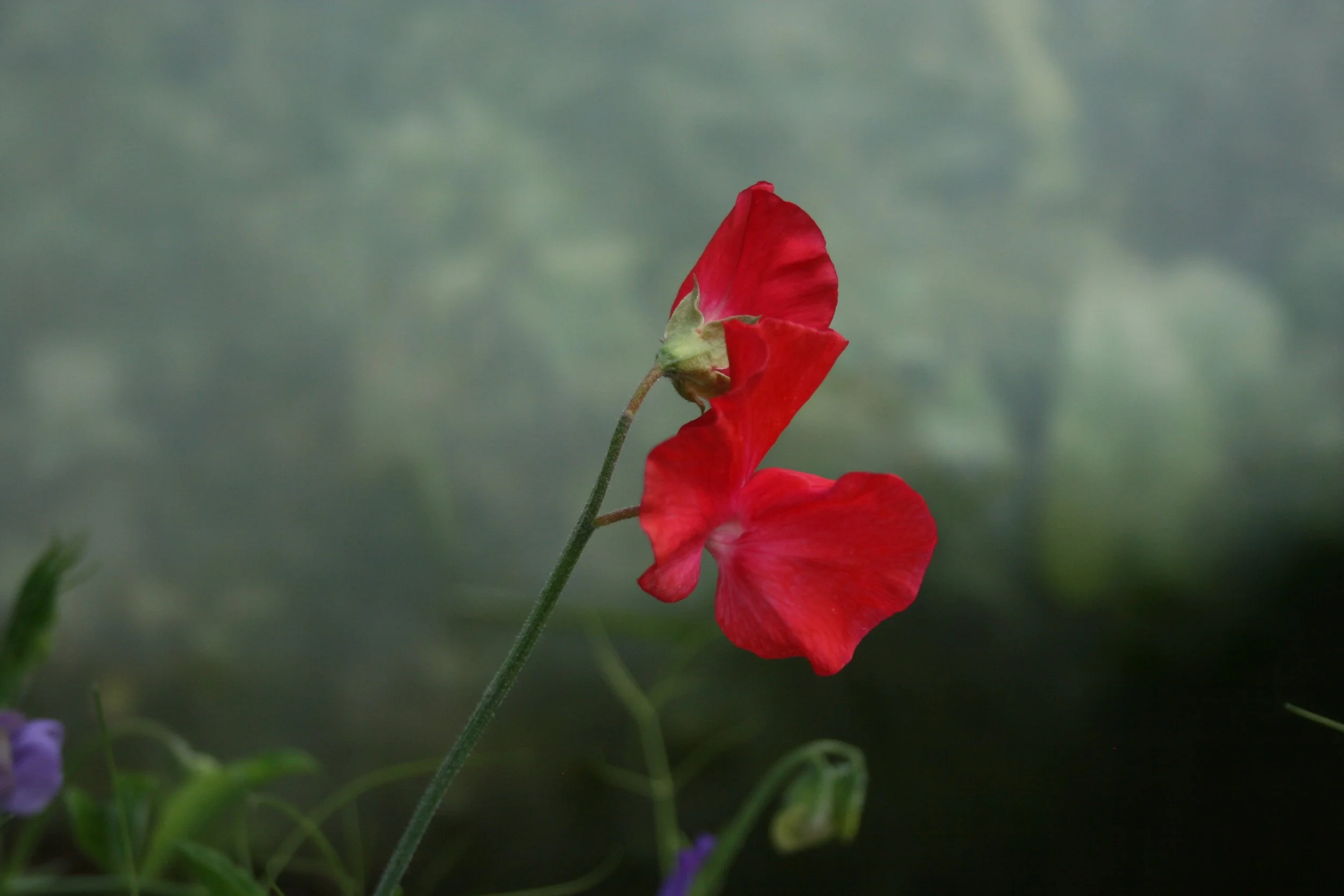
Air warden