Poppies
Anyone of my generation, post WW2, will be steeped in family stories and memories of the 1914-1918 war.
They were 50 year old memories when I was a teenager, and my grandfather was gone, at a younger age than necessary as the long shadow of the trenches and gassing and the whole experience took its long slow toll on many British men.
The memories and reflections have freshened in recent years, and the annual Memorial Day ceremonies are now very well attended, and red poppies are a potent symbol in our lives.
Looking around the nursery and the garden, it has been surprising and pleasing to see the range of poppies we grow and Donald has responded to my never ending desire to add more.
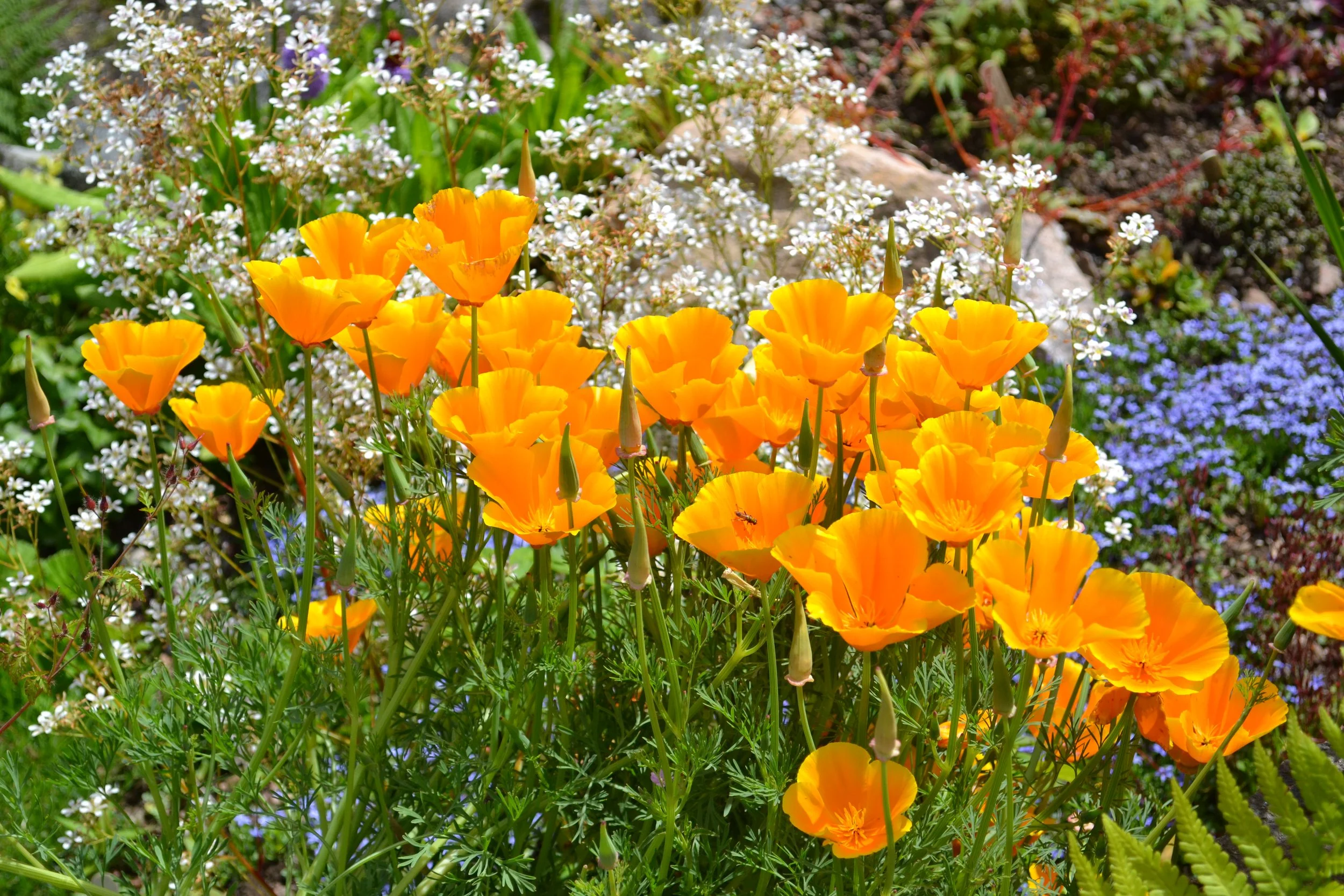
Californian Poppy (Escholtzia californica)
These are fabulous and without peer on a warm sunny day. We grow the single orange, no mixtures or frilled varieties as I find they just do not have the impact and sheer exuberance of the orange. They now self-seed for us, and that gets things moving after a mild winter.
Iceland Poppies (Papaver nudicaule)
A favourite as we used to grow lots in The Falkland Islands, where they seemed to thrive on cool summers and sea spray. Well they would.
Best grown as seed & growth year 1 (sown in March/April or even May) and up to flower year 2. A good percentage carries on into years 3 and 4. They make really good cut flowers, plunge them into a deep jug of water.
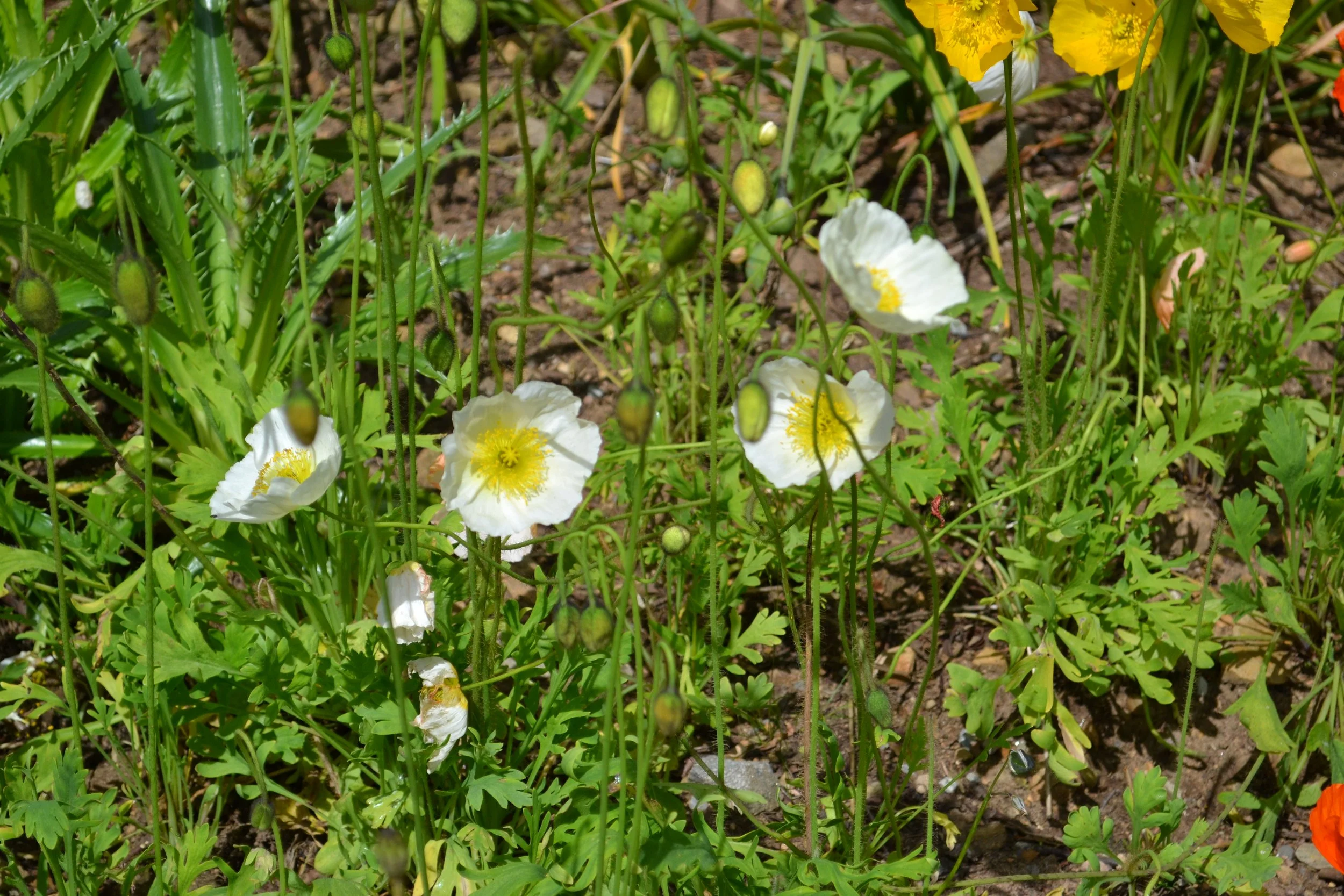
Welsh Poppies (Meconopsis cambrica)
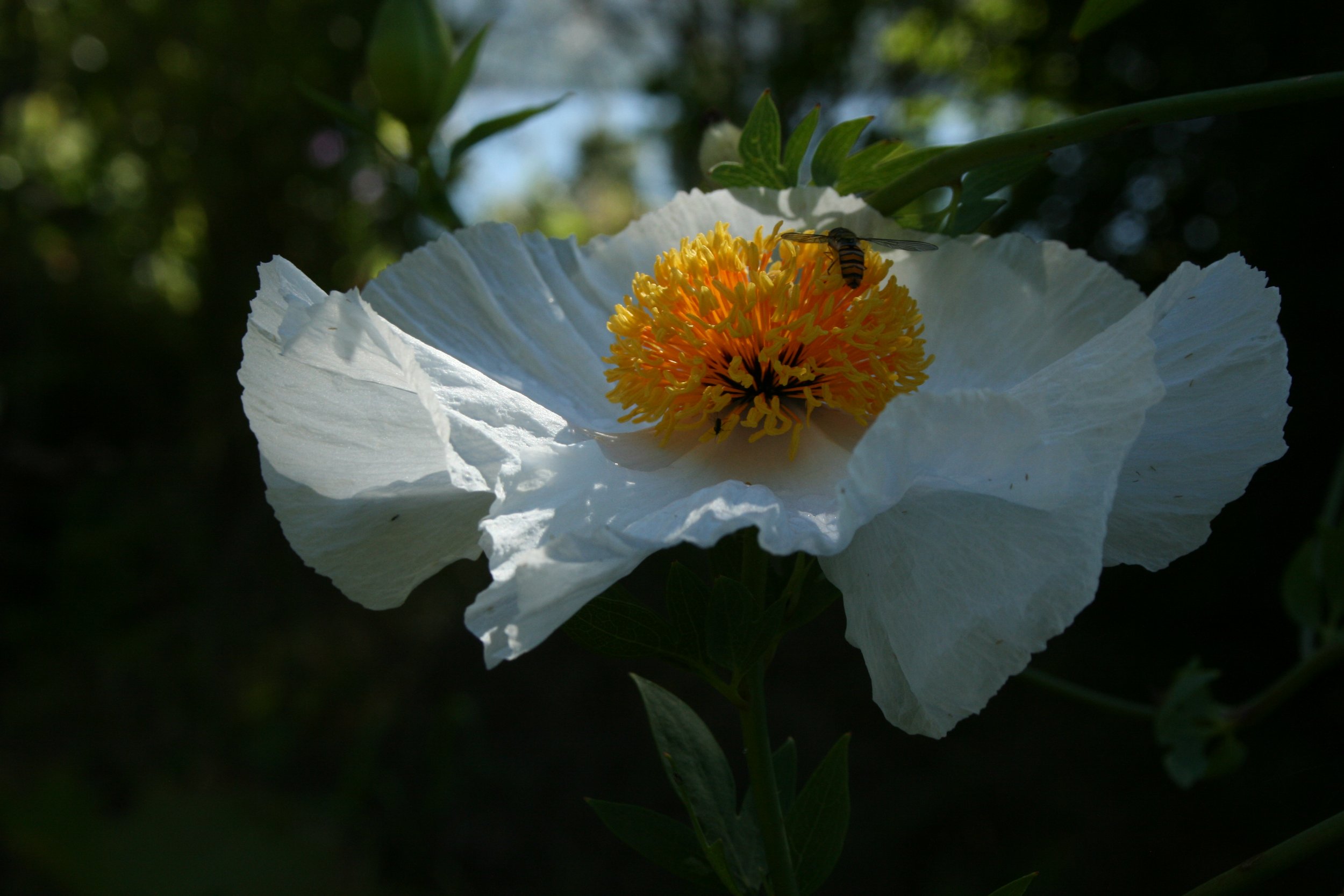
Tough, easy to grow poppies. We like to create areas of the garden where they are all yellow or all orange, and I love the red ones that pop up unexpectedly in many corners. Very tolerant of woodland shade and hence extremely useful to brighten dull corners.
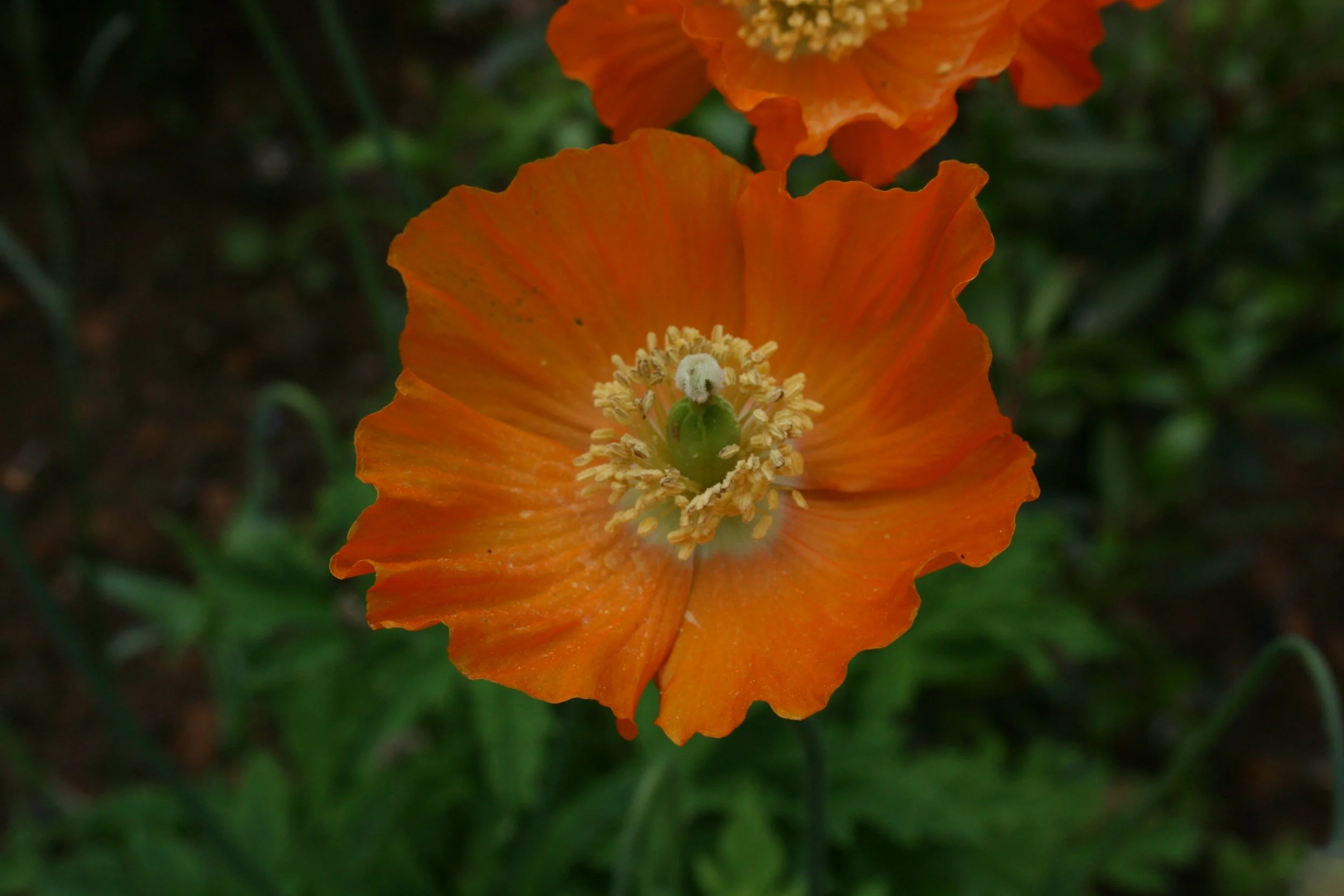
Oriental Poppies (Papaver orientale)
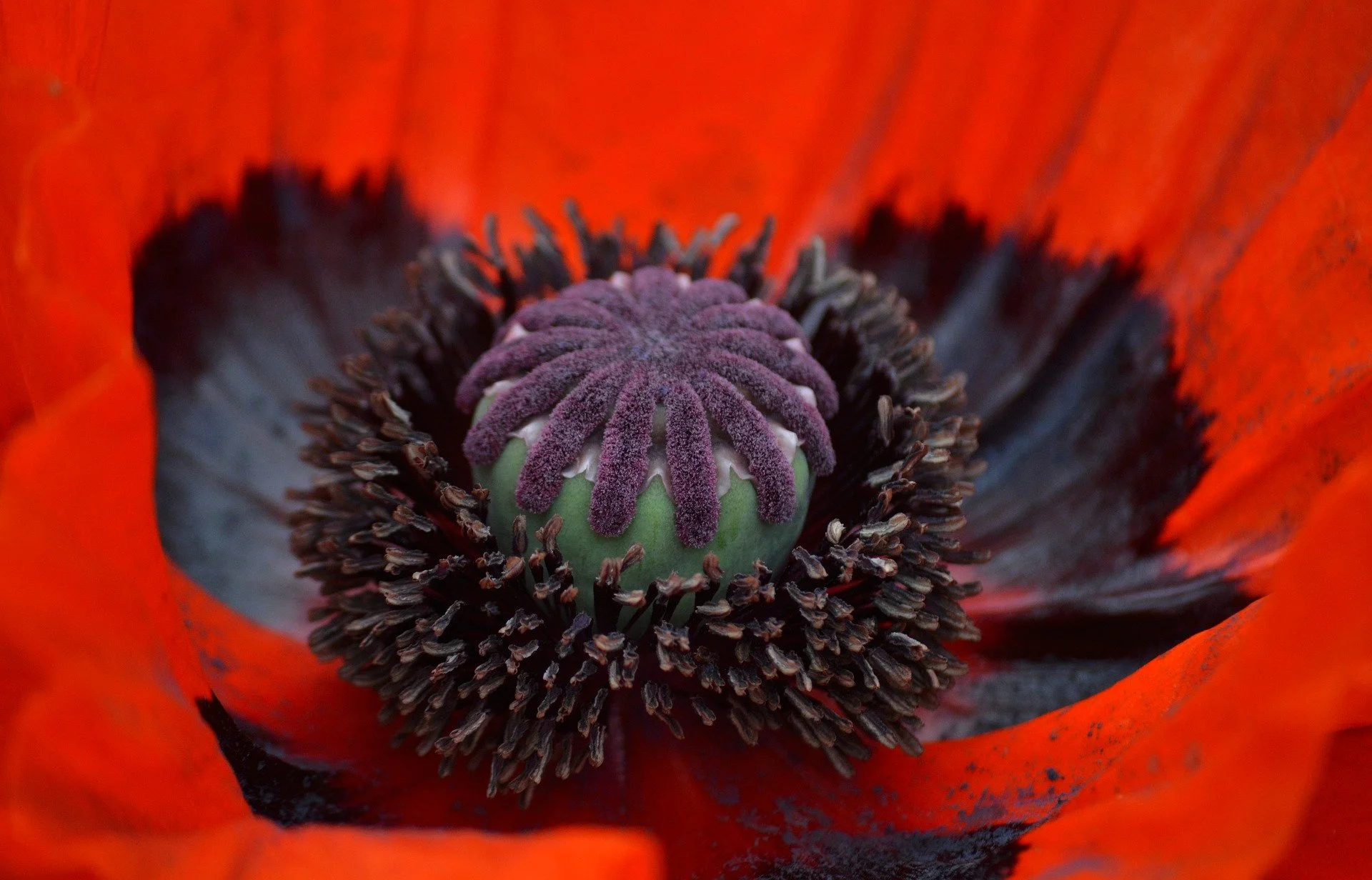
These are the huge early summer poppies. They have large heads and centres of quivering black stamens. All colours are wonderful, but the reds and pinks stand out for us with performance and you have to love the huge whites with black thumb prints at the base of the petals and the striking black centres. Feed well and have a nearby perennial or some annuals to take over the space as these die down. Showstoppers!
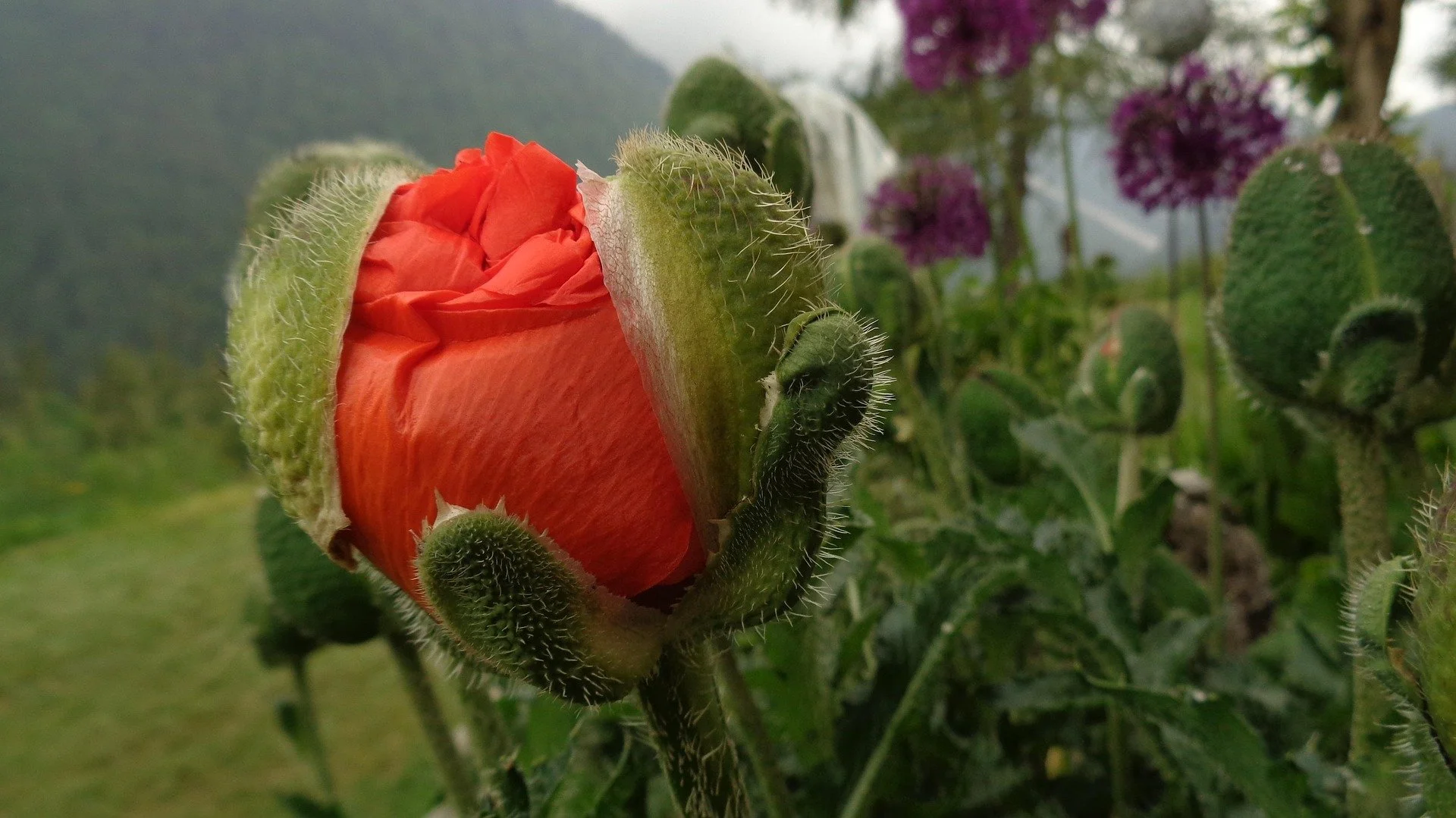
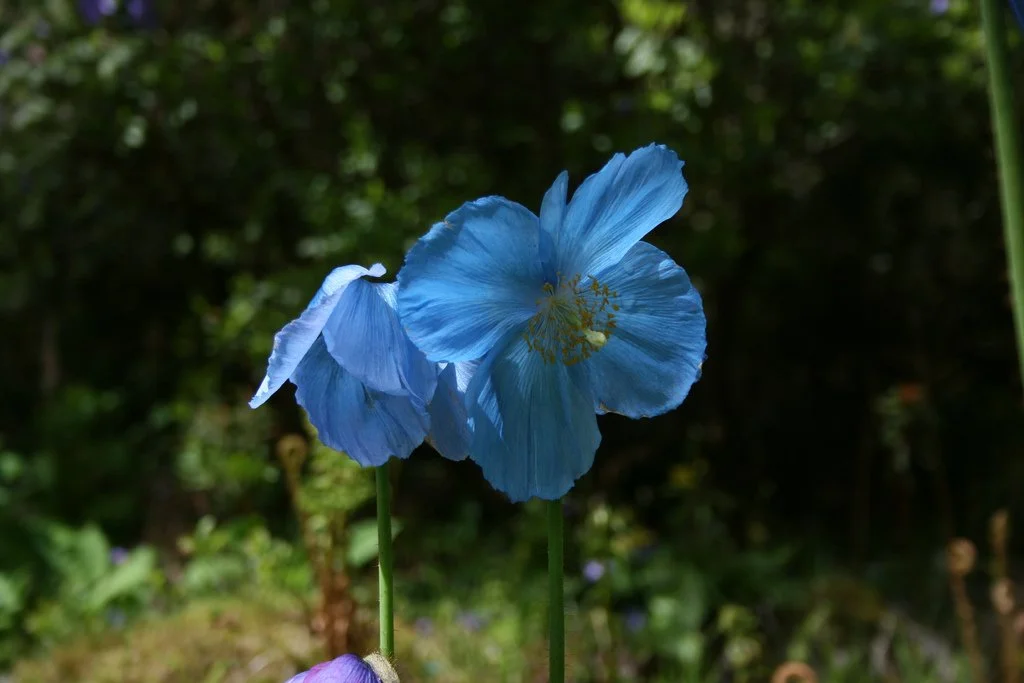
Himalayan Poppies (Meconopsis)
Any gardener will have heart stopping moments of pleasure when they see these superb blue poppies growing well. We have acid sandy soil, and provided we keep them well fed, and watch they do not dry out, these aristocratic, elegant plants do wonderfully well for us. There are a range of cultivars and some very nice coloured variants like Hensol Violet.
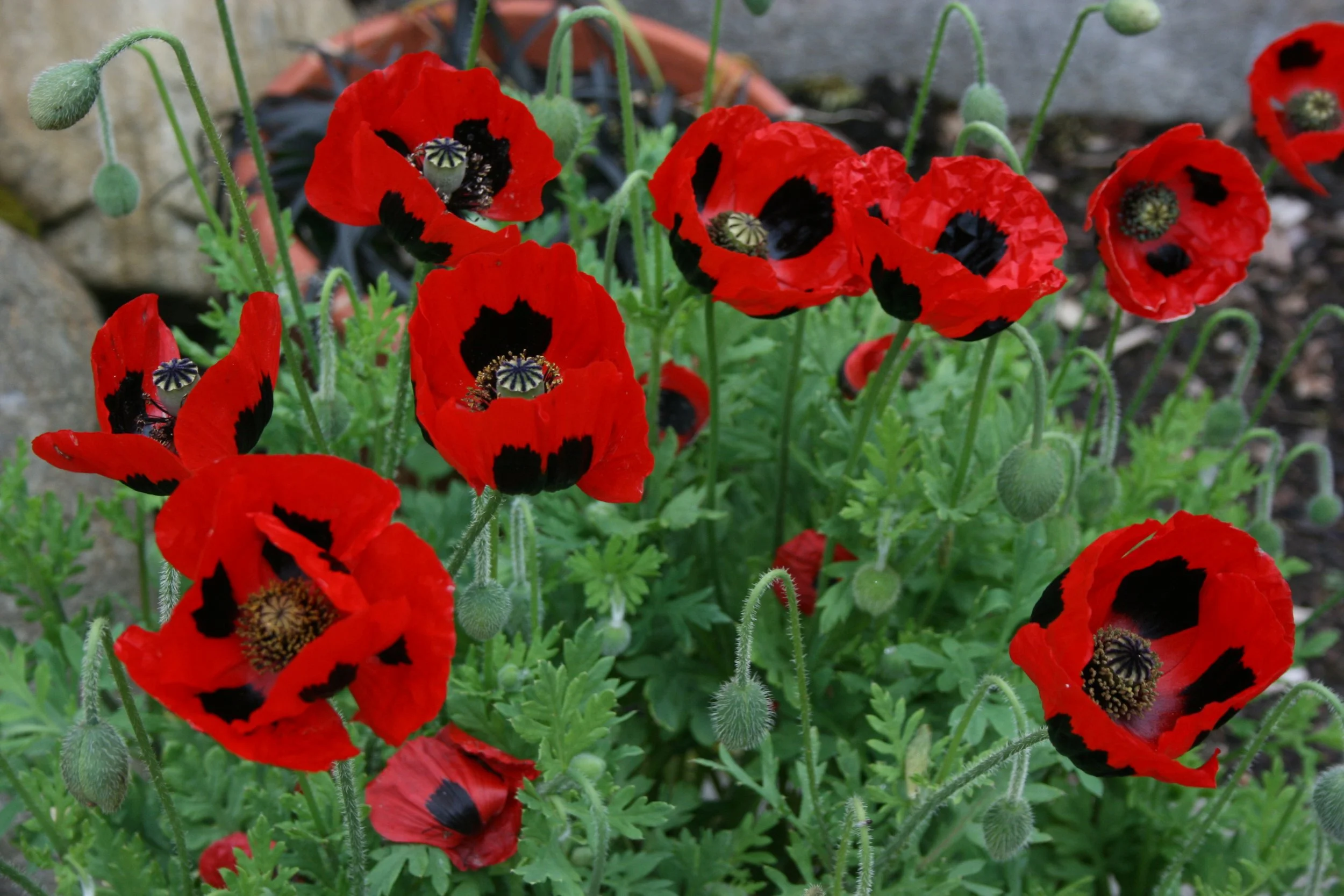
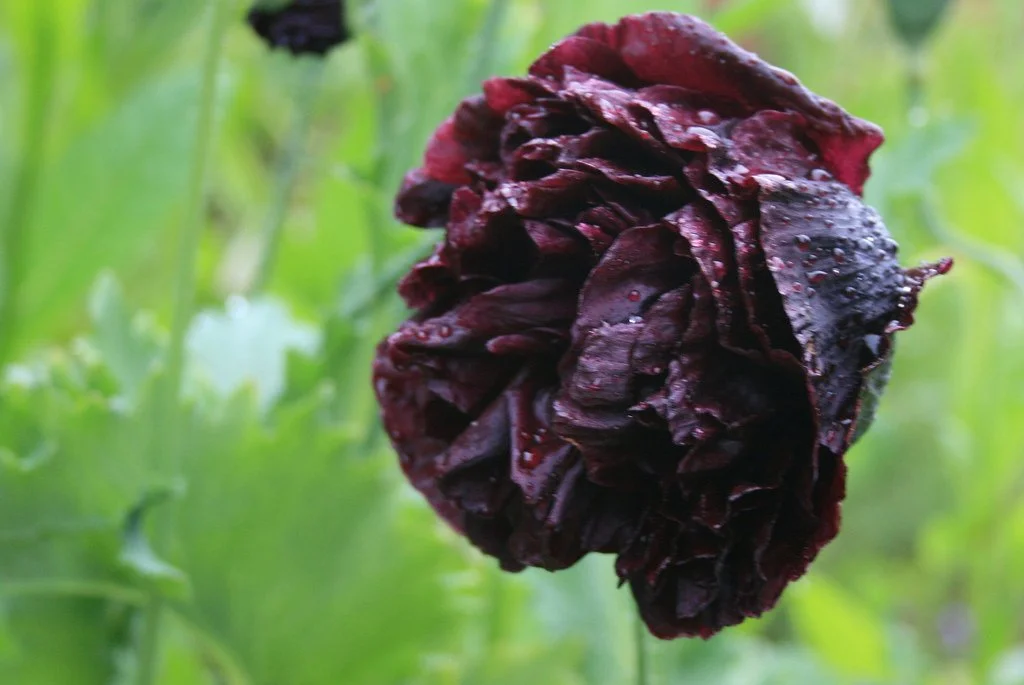
Our other poppies, include the fabulous ladybird poppies, opium poppies, and Californian tree poppies, which might look and grow quite differently from the rest of their poppy siblings, but belong to the poppy family Papaveraceae.